classicnews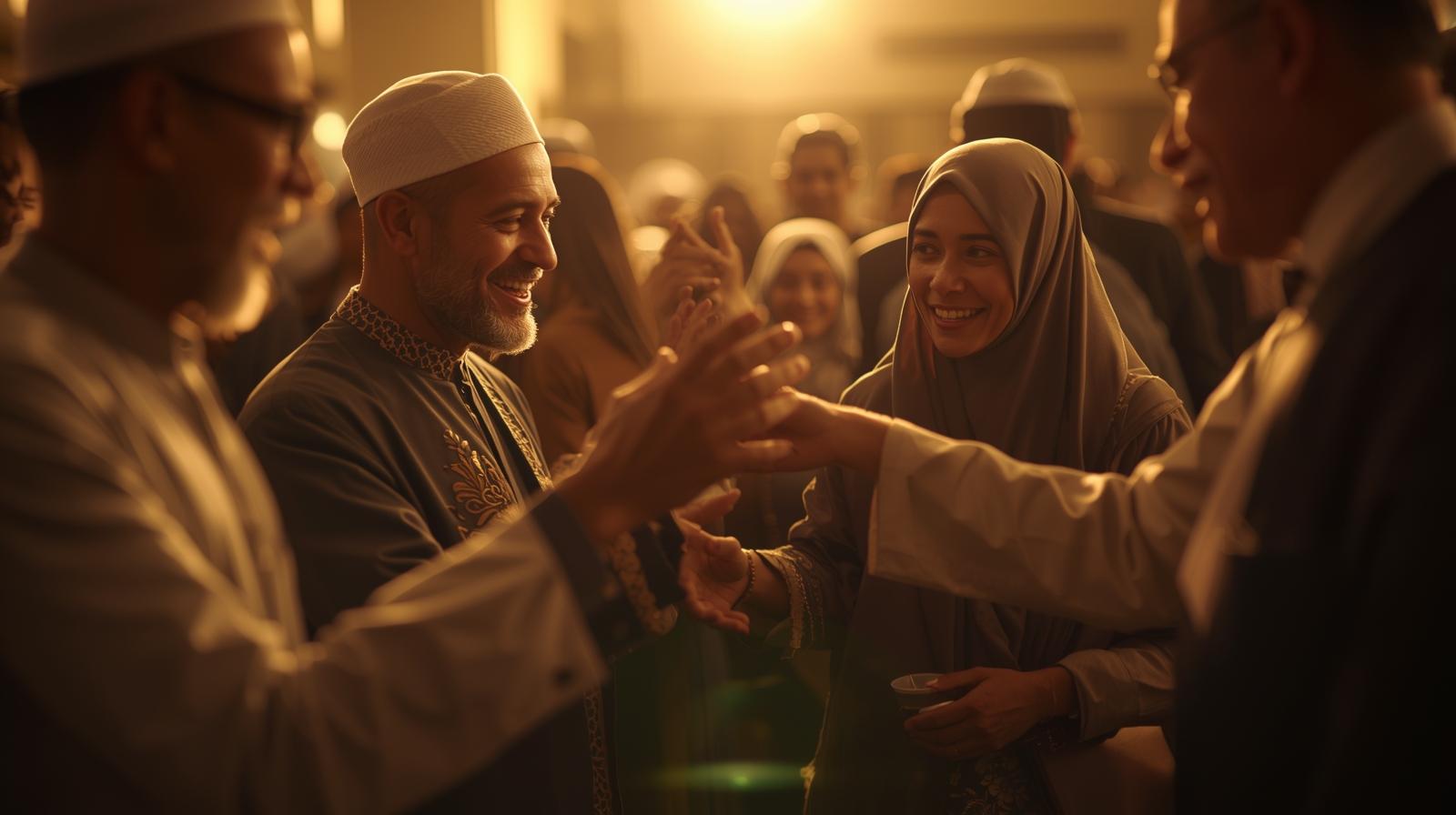
Islam places immense emphasis on good manners and etiquette, not just in personal devotion but also in social interactions. The way a person behaves in society reflects their faith and character. Following Islamic etiquette in social life fosters respect, harmony, and positive relationships.
1. Greeting Others with Peace
The Prophet ﷺ taught the importance of greeting others with peace. Saying “As-Salamu Alaikum” (Peace be upon you) spreads goodwill and builds bonds of brotherhood. Responding to a greeting with equal or better manners is also emphasized in Islam.
“When one of you meets his brother, let him greet him with peace.” – Sahih Muslim
2. Speaking Kindly and Avoiding Harm
Islamic etiquette stresses speaking truthfully, gently, and politely. Harsh words, gossip, and backbiting are strongly discouraged. Words have power, and using them wisely strengthens relationships and prevents misunderstandings.
3. Respecting Parents, Elders, and Neighbors
Respecting elders and neighbors is a core part of social etiquette in Islam. Serving parents, showing kindness to the elderly, and treating neighbors well are considered acts of worship. The Prophet ﷺ said:
“He is not a believer whose neighbor is not safe from his harm.” – Sahih Bukhari
4. Practicing Generosity and Hospitality
Generosity and hospitality are highly valued in Islam. Inviting others, sharing food, and offering help to those in need not only strengthens social bonds but also earns Allah’s pleasure.
5. Maintaining Cleanliness and Personal Hygiene
Cleanliness is half of faith. Maintaining personal hygiene and presenting oneself neatly in social gatherings reflects respect for others. From grooming to wearing clean clothes, Islam encourages attention to cleanliness in social settings.
6. Avoiding Anger and Conflict
Patience, forbearance, and controlling anger are key social etiquettes. Islam teaches resolving conflicts peacefully, forgiving others, and avoiding unnecessary arguments. A calm and composed demeanor in social life promotes harmony.
7. Modesty in Behavior
Modesty in speech, actions, and interactions is essential. Respecting personal boundaries, avoiding arrogance, and displaying humility enhance social relationships.
8. Upholding Justice and Fairness
Islamic social etiquette extends to fairness in dealings with others. Honesty in trade, fairness in decisions, and avoiding exploitation reflect integrity and trustworthiness.
Conclusion
Islamic etiquette in social life is more than manners; it is a reflection of faith. By practicing kindness, respect, generosity, patience, and humility, Muslims contribute to a peaceful and compassionate society. Following these principles not only strengthens social bonds but also brings spiritual rewards.