classicnews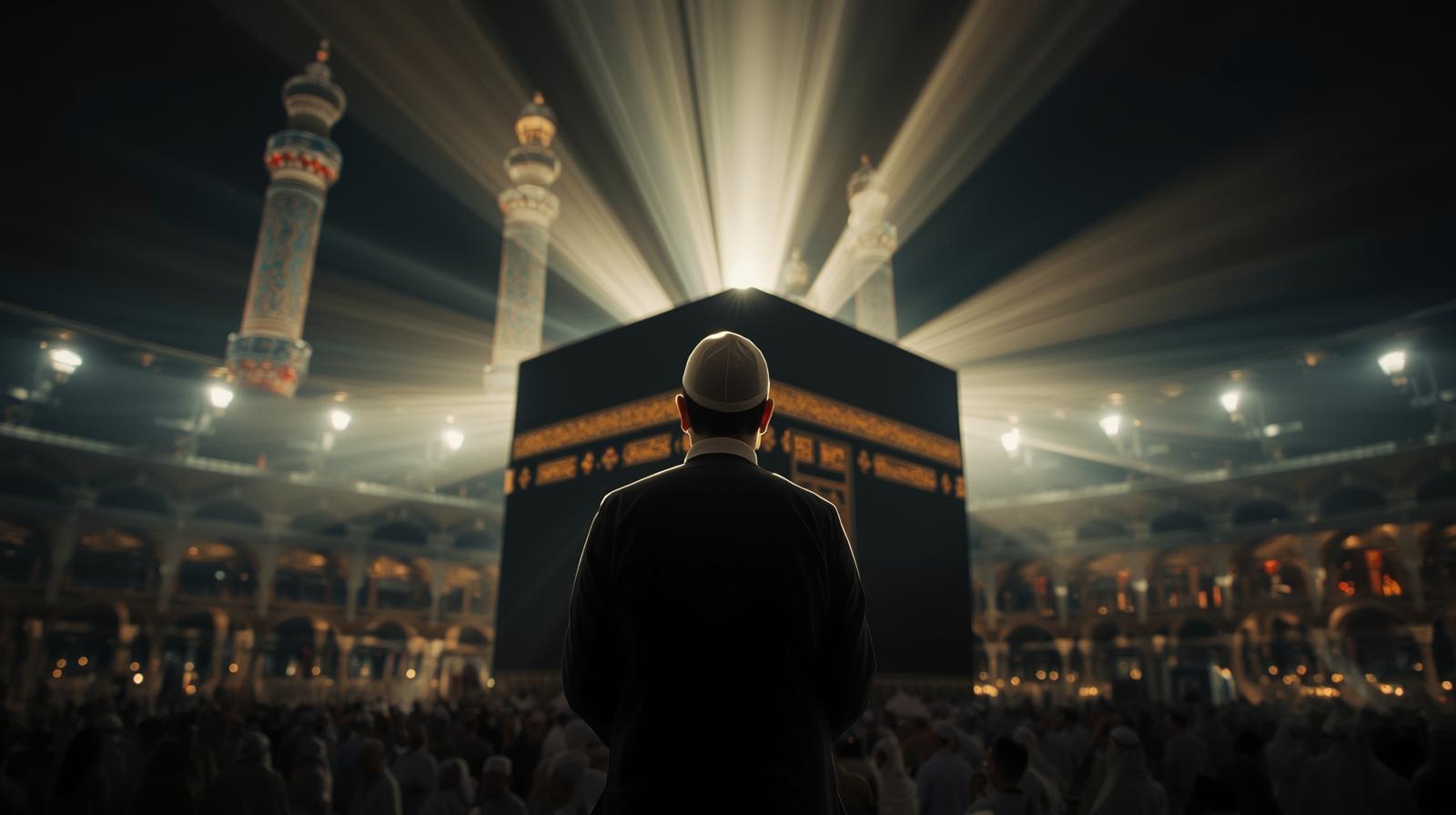
Salah (prayer) is the cornerstone of a Muslim’s faith and a fundamental pillar of Islam. It is a direct connection between a believer and Allah (SWT), a spiritual practice that nourishes the soul, strengthens discipline, and guides moral conduct. Understanding its significance is crucial for every Muslim striving to live a life pleasing to Allah.
1. Salah: A Pillar of Islam
Salah is one of the Five Pillars of Islam, making it mandatory for all adult Muslims. It is not just a ritual but a demonstration of obedience, devotion, and submission to Allah’s command. Performing Salah consistently ensures that a Muslim maintains a strong bond with their Creator.
2. Spiritual Benefits of Salah
Regular prayer provides numerous spiritual benefits:
- Connection with Allah: Salah is a personal dialogue with the Almighty, offering a chance to seek guidance, forgiveness, and blessings.
- Inner Peace and Tranquility: The rhythmic recitation and mindful worship reduce stress and instill serenity in the heart.
- Purification of Soul: Salah purifies the mind and heart, helping Muslims avoid sinful behavior and develop moral character.
3. Physical and Mental Benefits
Interestingly, Salah also promotes physical and mental well-being:
- Physical Movements: The prostrations and standing positions improve blood circulation, flexibility, and posture.
- Mental Discipline: Observing five daily prayers encourages time management, focus, and mindfulness.
- Stress Relief: Regularly turning to Allah for help alleviates anxiety and fosters resilience.
4. Salah as a Social Responsibility
Salah, especially when performed in congregation, builds community ties:
- Unity and Brotherhood: Praying together strengthens bonds among community members.
- Equality: In Salah, everyone stands shoulder to shoulder, regardless of social status, promoting humility and equality.
- Encouragement of Righteousness: Regular communal prayers inspire good deeds and discourage sinful activities.
5. Consequences of Neglecting Salah
Neglecting Salah is a serious matter in Islam. It can lead to a weakening of faith, loss of spiritual connection, and moral decline. The Prophet Muhammad ﷺ emphasized that Salah is the first act for which one will be held accountable on the Day of Judgment, highlighting its paramount importance.
6. Tips to Maintain Regular Salah
- Set a Routine: Align prayers with daily activities to avoid missing any.
- Seek Knowledge: Understanding the meaning of Salah enhances concentration and devotion.
- Stay Consistent: Even when busy, prioritize prayer to build a strong habit.
- Pray in Congregation: If possible, join the mosque for collective worship to strengthen commitment.
Conclusion
Salah is far more than a ritual; it is the lifeline of a Muslim’s spiritual journey. It purifies the soul, strengthens character, promotes discipline, and builds community cohesion. By embracing Salah with sincerity and devotion, Muslims not only earn Allah’s pleasure but also cultivate a balanced, peaceful, and purposeful life.