classicnews
Death is an inevitable reality of life, a transition from the worldly existence to the eternal Hereafter. In Islam, understanding the concept of death and accountability is essential as it shapes how we live our lives, make choices, and prepare for the life after.
Death: A Reminder of Life’s Transience
The Quran repeatedly reminds us that life in this world is temporary:
“Every soul will taste death. And you will only be given your [full] compensation on the Day of Resurrection…” (Quran 3:185)
Death serves as a powerful reminder to prioritize what is truly valuable—faith, good deeds, and righteous living—over fleeting worldly pursuits. It urges Muslims to live with mindfulness, sincerity, and purpose.
Accountability: The Core of Human Responsibility
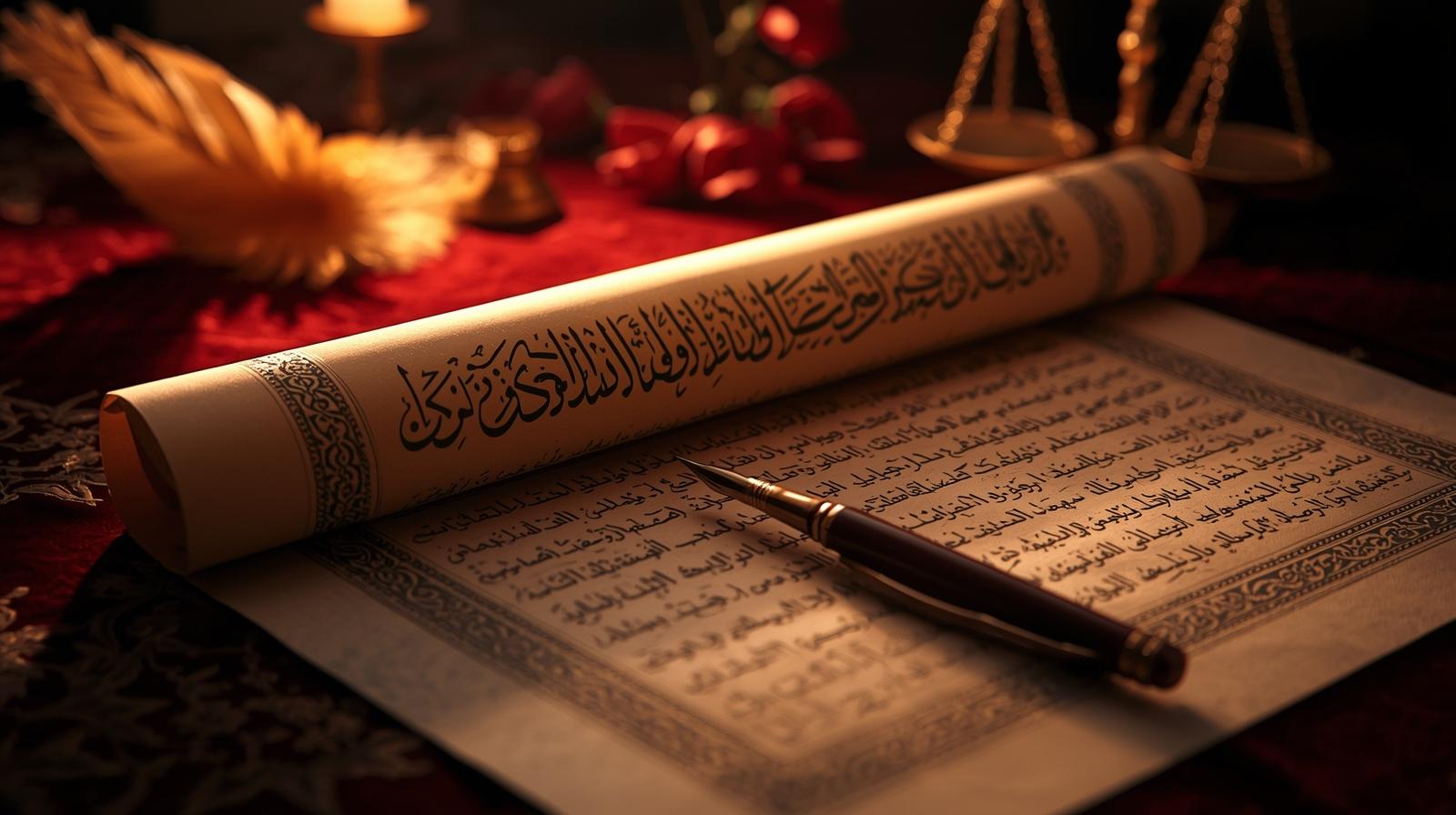
Islam teaches that every individual is accountable for their actions. This accountability is not limited to major sins but extends to every word, intention, and act, however small. The concept is often referred to as “Mizan” (the Scale of Deeds) in the Quran, where every action is weighed:
“So whoever does an atom’s weight of good will see it, and whoever does an atom’s weight of evil will see it.” (Quran 99:7-8)
This belief instills a sense of moral responsibility, encouraging humans to pursue good, avoid evil, and constantly strive for self-improvement.
Preparation for the Hereafter
Being conscious of death and accountability motivates believers to prepare for the Hereafter. Acts of worship like Salah (prayer), fasting, charity, and seeking forgiveness are not just rituals—they are investments in eternal life. The Prophet Muhammad (peace be upon him) said:
“Remember often the destroyer of pleasures (death).”
Reflecting on death is a spiritual exercise that humbles the soul, strengthens faith, and guides one toward a life aligned with divine commands.
Living a Life of Purpose
Understanding death and accountability is not meant to instill fear but to inspire a meaningful life. A believer recognizes that every moment is an opportunity to earn rewards and avoid sins. This awareness shapes ethical behavior, promotes justice, and encourages compassion toward others.
Practical Steps to Embrace Accountability:
- Self-reflection: Regularly assess your actions and intentions.
- Repentance: Seek forgiveness for past mistakes and strive for improvement.
- Good Deeds: Engage in acts of kindness, charity, and worship.
- Mindful Living: Prioritize eternal benefits over temporary pleasures.
Conclusion
Death and accountability are fundamental concepts in Islam that remind us of the temporary nature of this world and the certainty of the Hereafter. By embracing these truths, Muslims are guided toward a life of purpose, morality, and spiritual growth. Ultimately, preparing for accountability is the key to attaining success in the eternal life beyond.