classicnews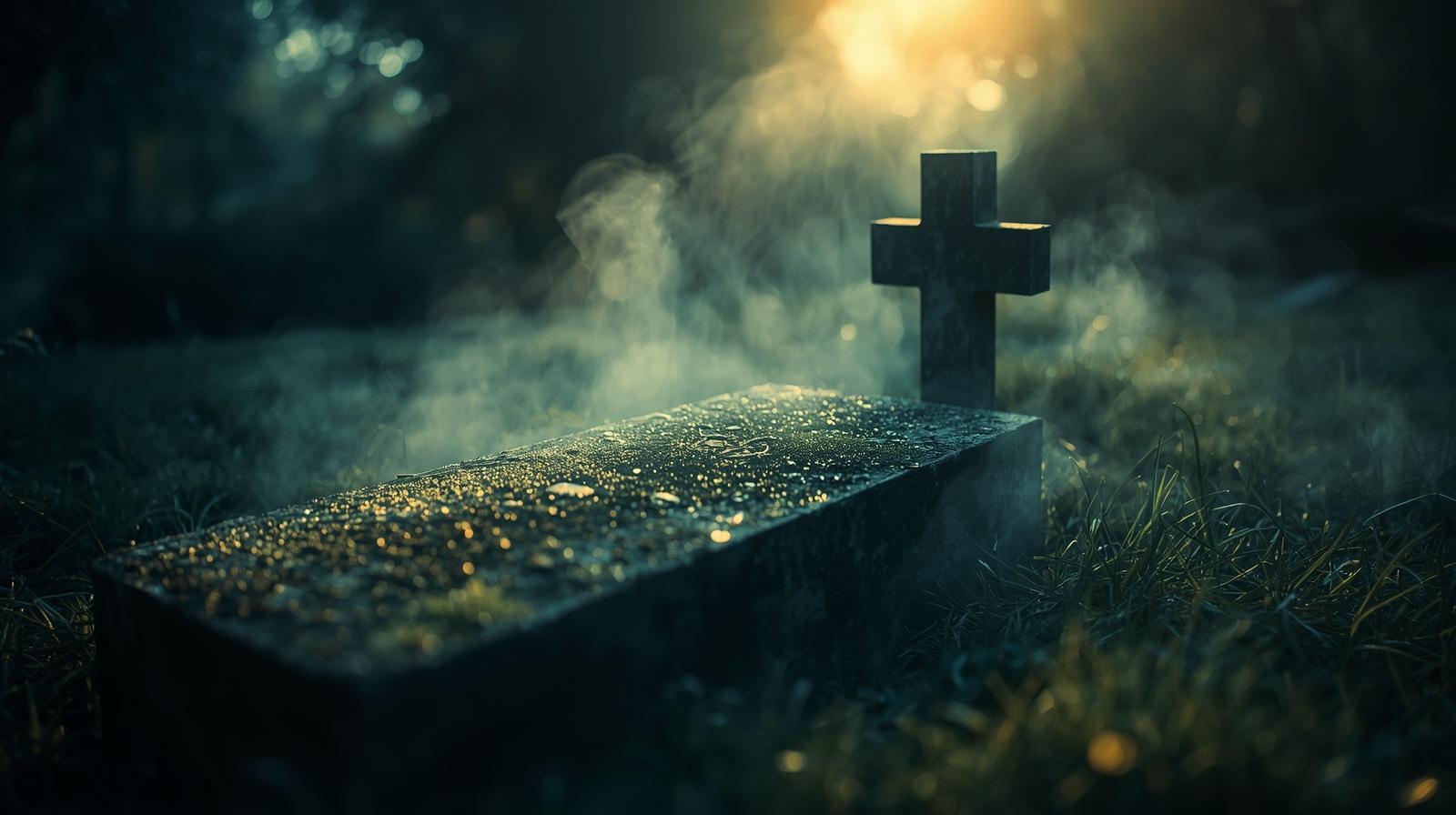
Death is a journey every human being will inevitably face. While life is full of experiences, achievements, and challenges, the grave marks the beginning of the next phase – the stage known in Islam as Barzakh. Understanding what happens in the grave is crucial for a believer, as it shapes our awareness of accountability and preparation for the Hereafter.
The Concept of the Grave in Islam
In Islam, the grave is not merely a resting place for the body; it is the first station after death. The soul transitions from the worldly life to a state between life and the Day of Judgment. This period, called Barzakh, is described in the Qur’an:
“Until, when death comes to one of them, We say, ‘Return to your Lord’…” (Qur’an 23:99-100)
Barzakh is a waiting period where the soul experiences either peace or punishment depending on one’s deeds in this world.
The Questioning in the Grave
One of the most significant events after burial is the questioning by the angels Munkar and Nakir. They ask the deceased three fundamental questions:
- Who is your Lord?
- What is your religion?
- Who is your Prophet?
The answers determine the soul’s state in the grave. Those who answer correctly experience comfort and light, while those who fail may face distress and punishment.
Life or Punishment in the Grave
The experiences in the grave differ based on a person’s faith and deeds:
- For the righteous: The grave becomes a place of peace, serenity, and a glimpse of Paradise. The Prophet Muhammad (peace be upon him) said: “The grave is the first stage of the Hereafter. Whoever is saved from it, is saved from all trials.”
- For the sinful: The grave can be a place of constriction, darkness, and suffering. It serves as a foretaste of the punishment of the Hereafter for those who neglected their responsibilities toward Allah and fellow beings.
The Importance of Preparing for the Grave
Since the grave is a reality that every soul will face, preparation is essential:
- Perform righteous deeds consistently – prayer, charity, and kindness.
- Seek forgiveness (Tawbah) for past sins.
- Recite Qur’an and supplications – especially verses like Ayat al-Kursi and Surah Al-Mulk, which protect and ease the soul.
- Live a life mindful of accountability, knowing that every action has consequences in the Hereafter.
Key Takeaways
- The grave is the first stage of the Hereafter.
- Angels question the deceased, determining their experience in Barzakh.
- Righteous deeds lead to peace, while sins may cause hardship.
- Preparing for death through faith and good deeds is essential for success in the Hereafter.
Understanding what happens in the grave reminds us of the fleeting nature of this world and the eternal significance of our actions. By living with awareness and accountability, we can ensure that the grave becomes a place of comfort, not torment.