classicnews
Introduction
The youth hold a vital place in Islam — they are the heartbeat of the Ummah (Muslim community) and the architects of its future. With their energy, creativity, and idealism, Muslim youth have the power to shape a world that upholds justice, compassion, and faith. Islam recognizes the potential of young people and calls upon them to use their strength and time in the service of Allah and humanity.
1. Youth in the Time of the Prophet (ﷺ)
Throughout Islamic history, young companions played significant roles in spreading Islam and supporting the Prophet Muhammad (ﷺ).
- Ali ibn Abi Talib (RA) accepted Islam at a young age and later became one of Islam’s greatest leaders.
- Usama ibn Zaid (RA) led an army at just 17 years old.
- Mus‘ab ibn ‘Umair (RA) was sent as the first ambassador of Islam to Madinah while still a youth.
These examples show that Islam empowers young people to take responsibility, lead, and make meaningful contributions from an early age.
2. The Importance of Youth in Today’s Ummah
In the modern world, Muslim youth face new challenges — from digital distractions to identity crises — yet their potential remains immense. They are the bridge between tradition and modernity, capable of applying Islamic values to today’s globalized context.
The Prophet (ﷺ) said:
“Take advantage of five before five: your youth before your old age…”
(Hadith – Ibn Abbas, Musnad Ahmad)
This powerful reminder emphasizes that youth is a time of strength, learning, and action — not to be wasted in heedlessness.
3. Ways Muslim Youth Can Contribute
a. Strengthening Faith and Knowledge
Young Muslims must prioritize seeking ‘ilm (knowledge) — both religious and worldly — as it empowers them to make wise choices and guide others.
b. Serving the Community
Youth can participate in community service, charity work, and volunteering at masjids or Islamic centers. Small acts of service build collective strength and compassion within the Ummah.
c. Using Technology for Good
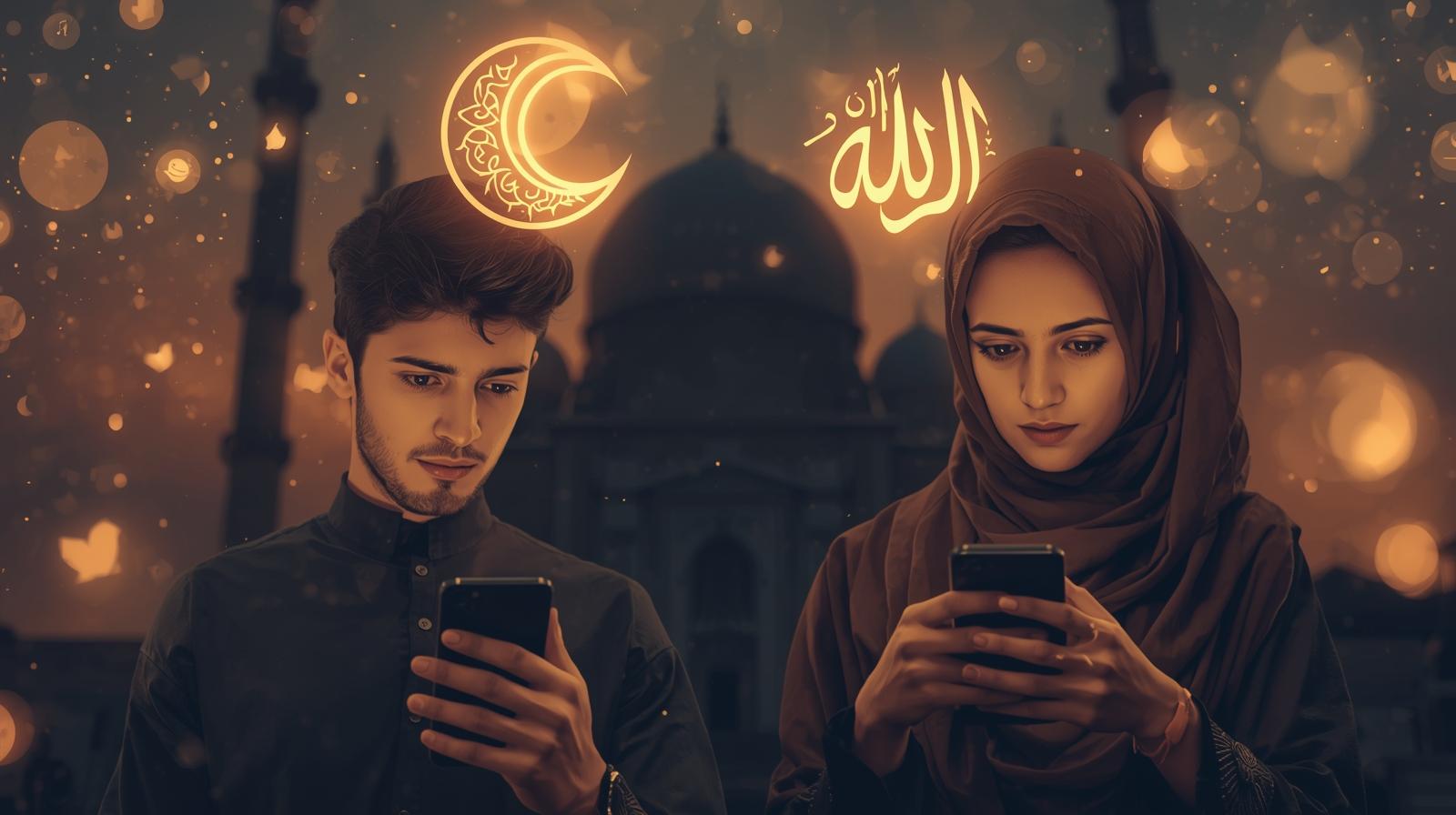
Social media can be a platform for da’wah (spreading Islam), awareness, and positivity if used responsibly. Youth can share Islamic reminders, educational content, and advocate for justice.
d. Promoting Unity and Leadership
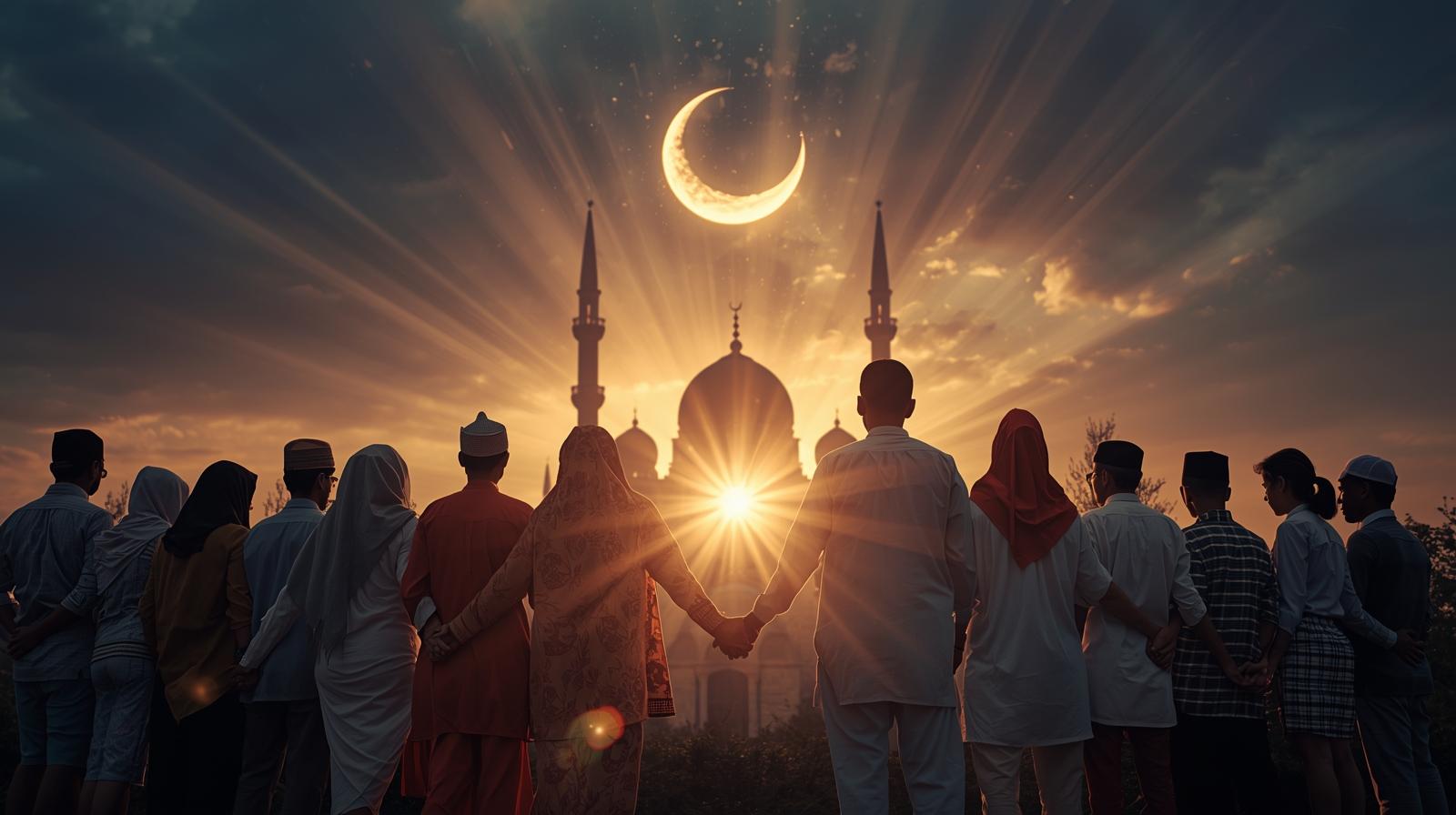
Muslim youth should embrace diversity within the Ummah and work to eliminate divisions. By leading with sincerity and cooperation, they can strengthen the bonds of brotherhood and sisterhood.
4. Challenges Faced by Muslim Youth
- Identity Struggles: Balancing faith with modern societal pressures.
- Misinformation: Navigating a flood of online content that can distort Islamic teachings.
- Peer Pressure: Staying steadfast amidst temptations and trends.
These challenges call for guidance from families, scholars, and communities to nurture a strong Islamic identity in young hearts.
5. Empowering Youth for the Future
For the Ummah to flourish, its youth must be nurtured spiritually, intellectually, and morally. Islamic institutions, educators, and leaders should create platforms that encourage youth engagement, critical thinking, and leadership.
Investing in the youth means investing in the future of Islam. When empowered by faith and guided by wisdom, young Muslims can lead positive change — reviving the true spirit of the Ummah.
Conclusion
The role of youth in the Ummah is not merely about the future — it is about the present. Every young Muslim has a part to play in upholding the message of Islam through faith, service, and excellence. The Prophet (ﷺ) built a generation of youth who transformed the world, and it is upon today’s youth to carry that legacy forward with conviction and hope.