
 classicnews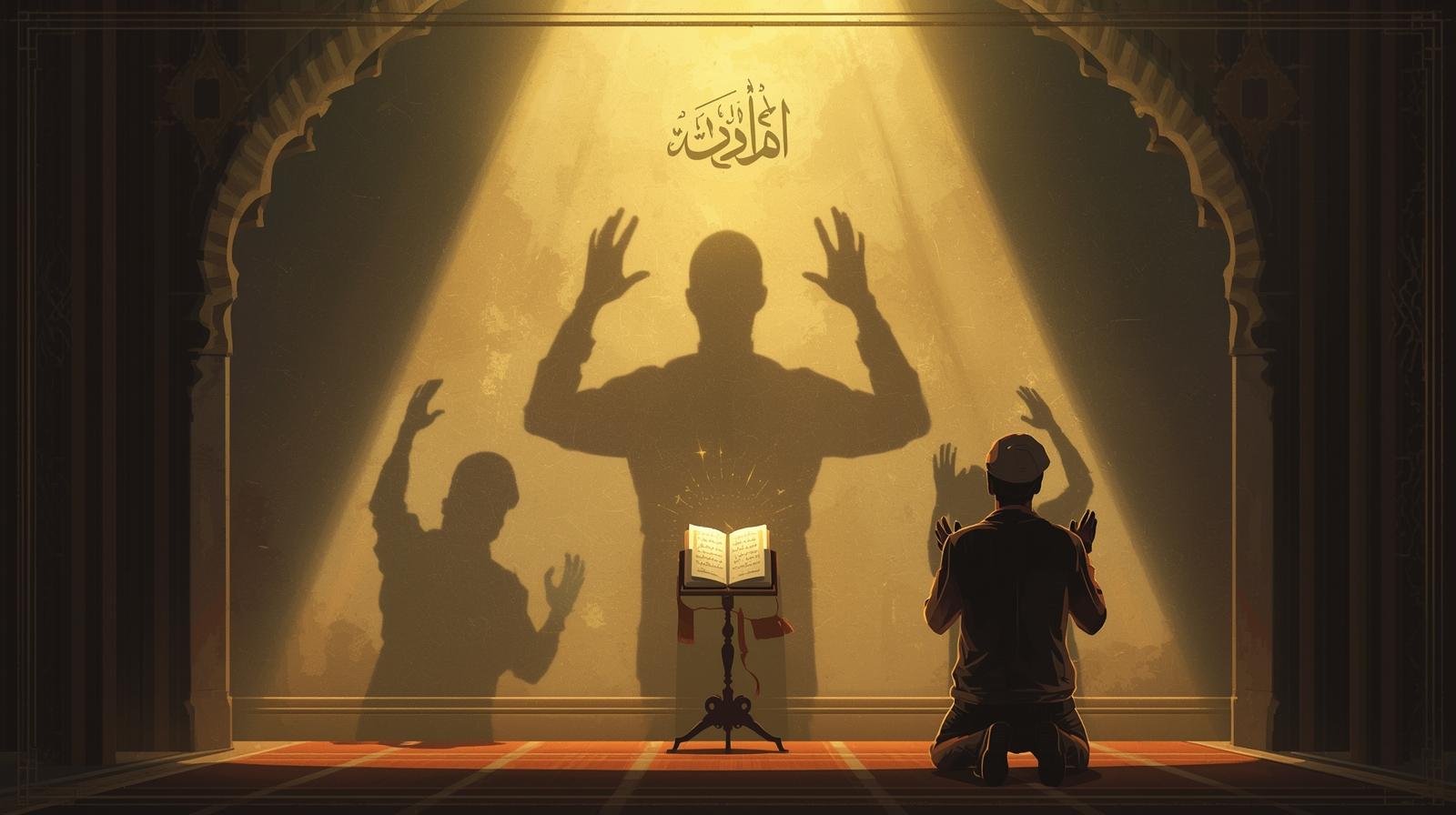
In Islam, worship (Ibadah) is meant to be a sincere act of devotion solely for Allah’s pleasure. However, when acts of worship are performed to gain admiration or praise from others, they lose their spiritual value. This act is known as Riyaa—showing off in worship. It is a subtle but dangerous spiritual trap that can harm one’s faith if left unchecked.
What is Riyaa?
Riyaa refers to performing religious deeds with the intention of impressing others rather than seeking the pleasure of Allah. It can occur in acts like:
- Praying to be seen by people.
- Giving charity publicly to gain recognition.
- Fastings or voluntary worship done to appear pious.
The Prophet Muhammad ﷺ warned against this in a Hadith:
“The most severely punished on the Day of Judgment will be those who show off in worship.”
(Sahih al-Bukhari & Sahih Muslim)
This highlights how serious Riyaa is in the eyes of Allah.
Why Riyaa is Dangerous
- It Nullifies Good Deeds
Even acts that are normally rewarded can lose their value if done for show. Sincere intentions are the cornerstone of Islam, and Riyaa destroys that sincerity. - It Feeds the Ego
Performing deeds for others’ praise inflates the ego and can lead to arrogance, pride, and self-deception, taking one further away from Allah. - It Creates Spiritual Weakness
When worship is driven by worldly recognition, it becomes inconsistent. The heart relies on people’s attention rather than Allah’s pleasure, weakening spiritual connection. - It Leads to Hypocrisy
Riyaa is a form of hypocrisy (Nifaq), where outward appearance contradicts inner sincerity. This can be dangerous, as the Qur’an warns about the traits of hypocrites:
“They spend their wealth to be seen by people, but they believe not in Allah nor the Last Day.”
(Surah An-Nisa 4:38)
How to Protect Yourself from Riyaa
- Intend for Allah Alone: Begin every act of worship with a conscious intention that it is for Allah, not for anyone else.
- Perform Worship Privately: When possible, worship in ways that others cannot see. This strengthens sincerity.
- Seek Knowledge: Learn about the rewards of hidden worship versus public deeds to understand true spiritual value.
- Reflect on Your Intentions: Regularly evaluate your heart and actions to ensure they are for Allah’s pleasure.
- Avoid Bragging About Good Deeds: Even if your actions are public, do not boast; keep your focus on Allah.
Conclusion
Riyaa may seem harmless, especially in a world that encourages recognition and social media validation, but its spiritual consequences are severe. Islam teaches that the most valuable worship is that done purely for Allah’s sake, whether seen or unseen. By being vigilant about intentions and striving for sincerity, one can protect their faith and earn the true reward of their deeds.


