classicnews
Meta Description:
Explore the concept of justice in Islam through the Qur’an and Sunnah. Learn how Allah emphasizes fairness, equity, and moral responsibility in all aspects of life.
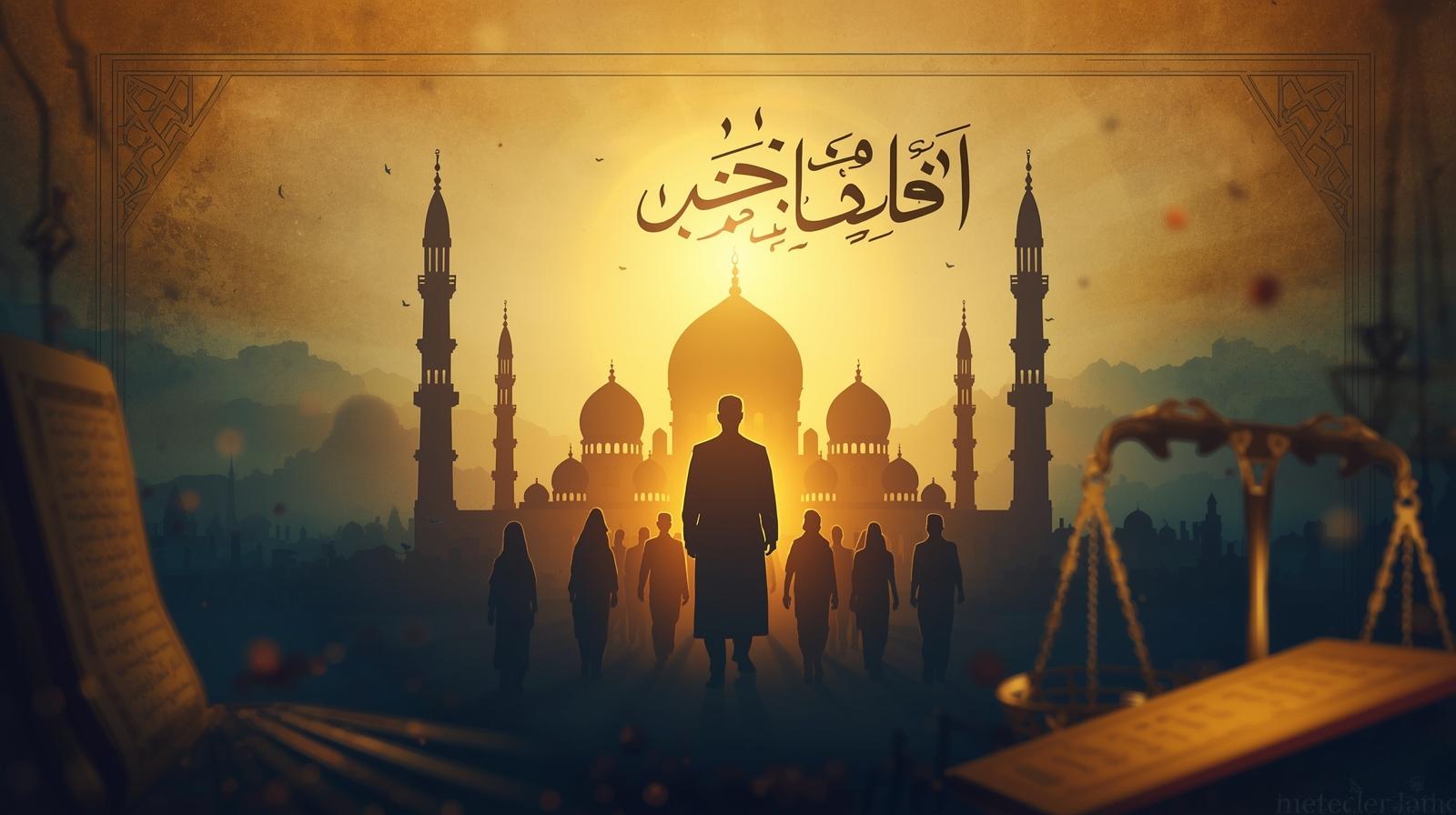
Justice is one of the most fundamental principles in Islam. It is not only a legal or social requirement but also a moral and spiritual obligation that defines the ethical framework of a Muslim’s life. The Qur’an and Sunnah consistently highlight the importance of justice, guiding individuals, leaders, and communities towards fairness, honesty, and equity.
The Importance of Justice in the Qur’an
The Qur’an mentions justice in numerous verses, emphasizing that it is an obligation upon every believer, regardless of personal bias or social standing. Some key points include:
- Universal Command: Allah commands justice in all aspects of life, whether in personal dealings, social interactions, or governance.
- Equality Before Law: The Qur’an stresses that justice must be upheld even if it is against oneself, family, or close friends.
- Moral Responsibility: Justice is not only a legal matter but also a spiritual one; it is a reflection of one’s faith and righteousness.
Notable Qur’anic Verses on Justice:
- “Indeed, Allah commands you to render trusts to whom they are due and when you judge between people to judge with justice…” (Qur’an 4:58)
- “O you who have believed, be persistently standing firm in justice, witnesses for Allah, even if it be against yourselves or your parents and relatives.” (Qur’an 4:135)
- “And establish weight in justice and do not make deficient the balance.” (Qur’an 55:9)
These verses illustrate that justice in Islam is not negotiable—it is a duty that transcends personal feelings, favoritism, or societal pressure.
Justice in the Sunnah
The Prophet Muhammad ﷺ exemplified justice throughout his life. He treated everyone fairly, from the poorest companion to tribal leaders, and emphasized that justice is integral to faith. Some key teachings from the Sunnah include:
- Equitable Treatment: The Prophet ﷺ said: “The most beloved of people to Allah on the Day of Judgment and the closest to Him will be the just leader.”
- Prohibition of Oppression: The Prophet ﷺ warned against any form of injustice or oppression, emphasizing that unfairness to others is a serious sin.
- Guidance for Leaders: Leaders and rulers are especially accountable for maintaining justice, as they bear the responsibility of ensuring societal fairness.
Practical Applications of Justice in Daily Life
Justice in Islam extends beyond legal rulings. Muslims are encouraged to practice fairness in everyday life, including:
- Family Relations: Treating spouses and children equitably.
- Business & Trade: Honest dealings and fair transactions.
- Community Life: Ensuring equal opportunities and upholding the rights of the marginalized.
- Conflict Resolution: Mediating disputes fairly without favoritism.
Justice in Islam is holistic—it applies to thoughts, words, actions, and systems of governance.
Conclusion
Justice is a cornerstone of Islamic teachings, deeply rooted in both the Qur’an and Sunnah. It is a standard by which all actions are measured, and a key to personal and societal harmony. By striving for fairness and integrity in every aspect of life, Muslims not only fulfill a religious duty but also contribute to a just and moral world.