
 classicnews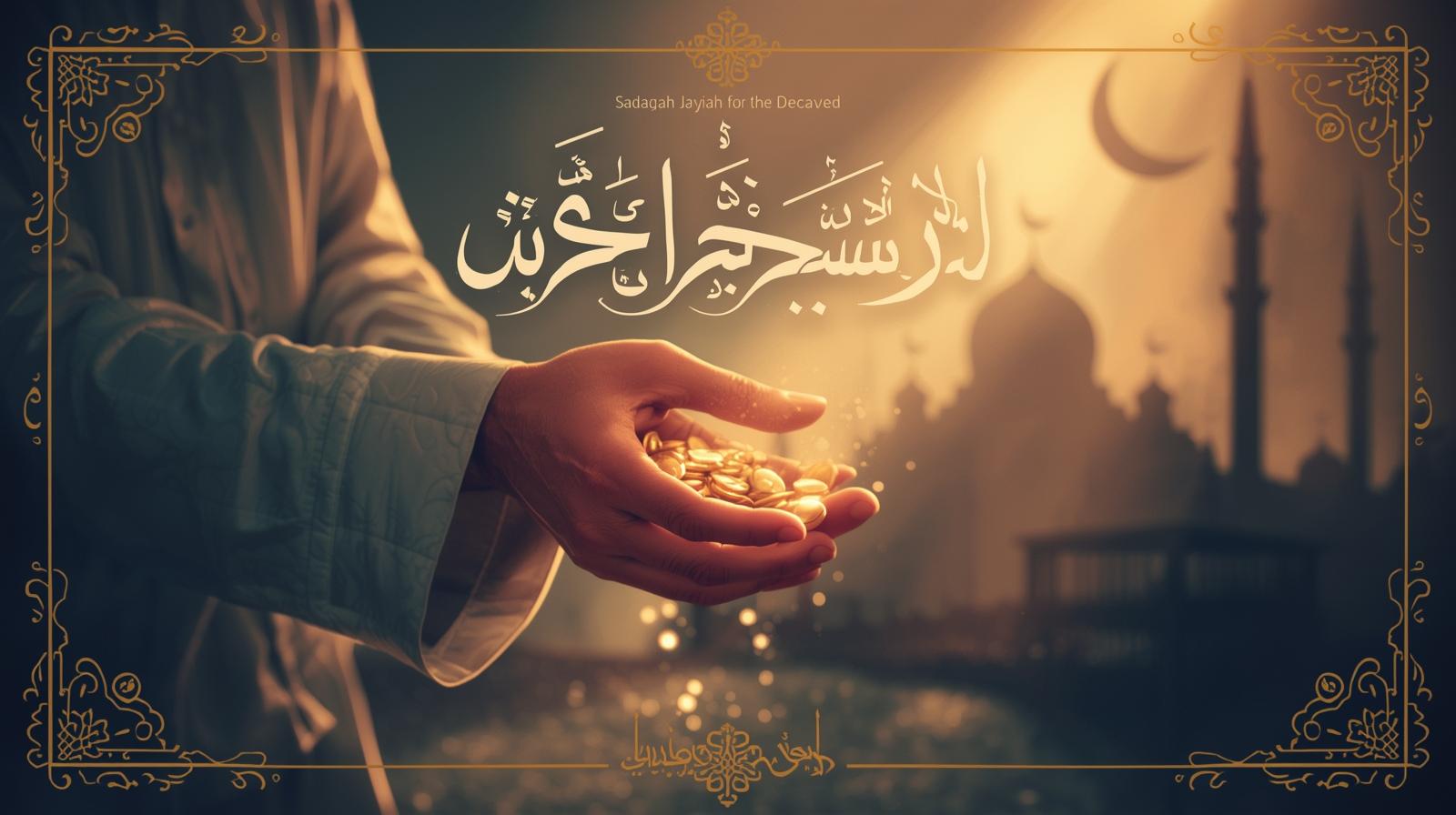
In Islam, acts of charity are not limited to the living. One beautiful aspect of Islamic teachings is that a person can continue to earn rewards even after their death through charitable deeds performed on their behalf. This concept not only benefits the deceased but also serves as a reminder for the living to engage in acts of kindness.
The Concept of Charity on Behalf of the Deceased
Islam encourages believers to perform sadaqah jariyah (ongoing charity) in the name of someone who has passed away. Sadaqah jariyah refers to charity whose benefits continue over time, such as building a well, funding education, or planting trees. When done on behalf of the deceased, these acts can bring continuous rewards to their soul.
The Prophet Muhammad (peace be upon him) said:
“When a man dies, his deeds come to an end except for three things: Sadaqah Jariyah, knowledge from which benefit is gained, or a righteous child who prays for him.”
— [Sahih Muslim]
This hadith highlights the profound impact of charity in ensuring that a person’s good deeds continue beyond their lifetime.
Types of Charity Beneficial for the Deceased
There are several ways to give charity for someone who has passed away:
- Monetary Donations: Contributing to hospitals, schools, or orphanages in their name.
- Building Wells or Water Projects: Providing clean water for communities is a long-lasting act of charity.
- Funding Education: Sponsoring books, scholarships, or schools in memory of the deceased.
- Planting Trees: Trees not only benefit the environment but also generate ongoing rewards for the donor.
- Supporting Mosques or Islamic Centers: Helping to construct or maintain a mosque benefits countless worshippers.
These acts of charity ensure that the deceased continues to receive blessings, even after leaving this world.
Why Charity for the Deceased is Important
- Continued Reward: It keeps the soul of the deceased in Allah’s mercy.
- Spiritual Comfort for Family: Families find solace in knowing their loved one’s name is honored through good deeds.
- Strengthening Community Bonds: Such acts benefit society as a whole, reflecting the values of compassion and unity in Islam.
How to Make Charity on Behalf of the Deceased
- Intend that the charity is specifically for the deceased.
- Choose an act that has long-term benefits.
- Share the knowledge and encourage others to participate in ongoing charitable projects.
Even small contributions, when done with sincerity, can generate immense blessings for the deceased.
Conclusion
Giving charity on behalf of the deceased is a meaningful way to honor loved ones and ensure their good deeds continue. Islam teaches us that death is not the end of a person’s journey in terms of spiritual rewards. By performing sadaqah jariyah, sponsoring education, or supporting community projects, we can help our departed loved ones continue to earn rewards and maintain a lasting legacy of goodness.
“Indeed, those who spend in charity will have their reward with Allah.” — [Quran 2:261]


