
 classicnews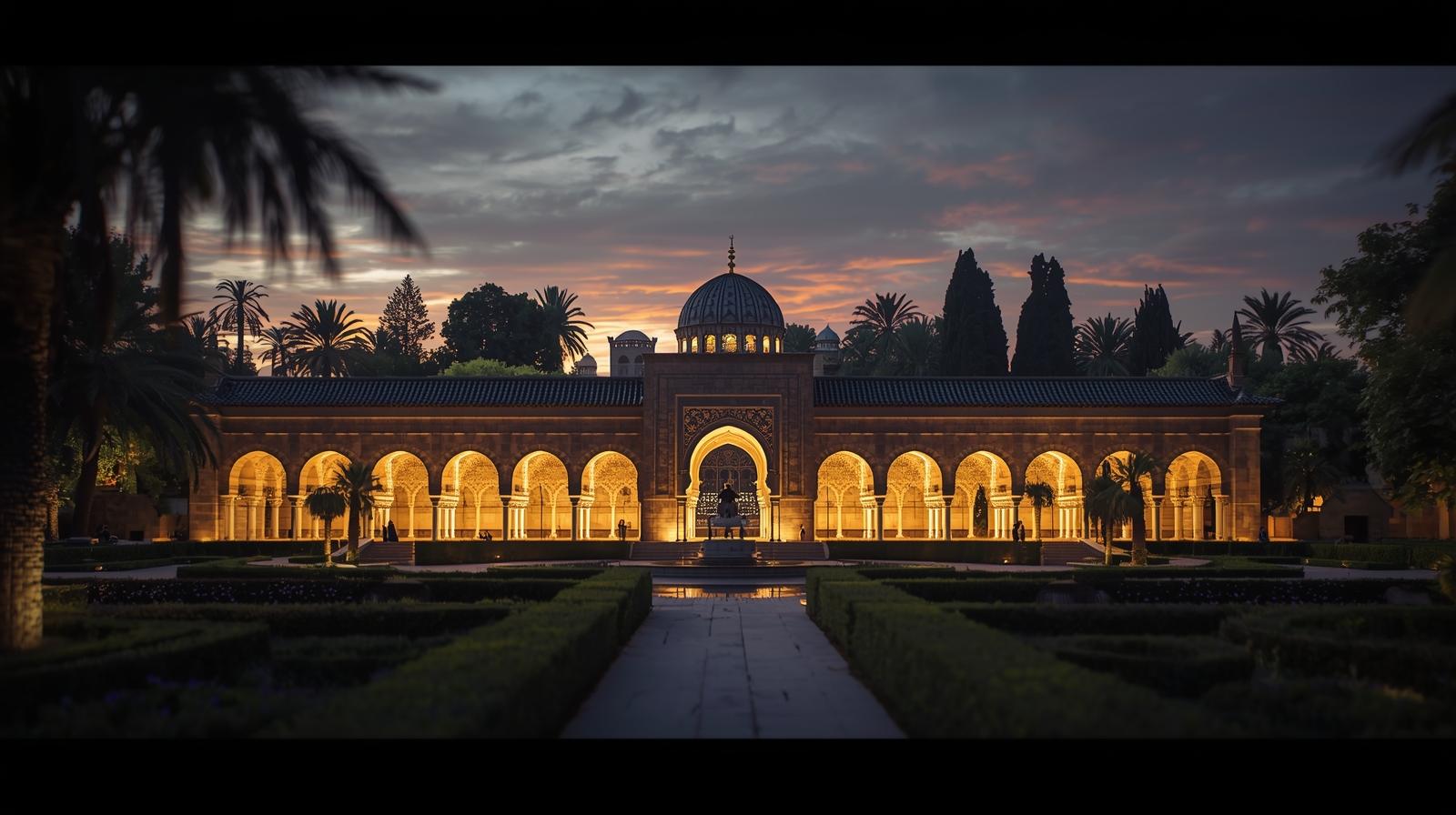
Introduction
The history of Al-Andalus—Muslim Spain—stands as one of the brightest chapters in Islamic civilization. From 711 to 1492 CE, this remarkable era witnessed an unparalleled fusion of faith, knowledge, and culture. The legacy of Al-Andalus continues to inspire the world today, reminding us of a time when Islamic scholarship, science, and art flourished in harmony with other civilizations.
The Birth of Al-Andalus
The story of Al-Andalus began when the Umayyad general Tariq ibn Ziyad crossed the Strait of Gibraltar in 711 CE, leading to the establishment of Muslim rule in Iberia. Under the Umayyad Caliphate of Córdoba, the region evolved into a beacon of knowledge, tolerance, and progress. Cities like Córdoba, Granada, and Seville became centers of learning that rivaled Baghdad and Damascus.
A Hub of Knowledge and Culture
Al-Andalus was home to one of the most advanced societies of its time. Muslim scholars translated and preserved Greek, Persian, and Indian knowledge, contributing immensely to fields like:
- Mathematics (development of algebra and trigonometry)
- Medicine (pioneering hospitals and medical texts by Al-Zahrawi and Ibn Rushd)
- Astronomy (refinements in star charts and navigation tools)
- Philosophy and Literature (Ibn Rushd/Averroes and Ibn Hazm)
The University of Córdoba attracted students from across Europe and the Muslim world. The use of paper, libraries, and public baths were all symbols of Al-Andalus’s sophistication.
Architectural Brilliance
The artistic and architectural achievements of Al-Andalus remain among its most visible legacies. Masterpieces like:
- The Great Mosque of Córdoba – a marvel of Islamic architecture
- The Alhambra Palace in Granada – a poetic blend of art, geometry, and spirituality
- The Giralda Tower in Seville – showcasing Islamic artistry later integrated into Christian structures
These monuments reflect the refinement, balance, and beauty that Islamic art brought to Europe.
A Model of Coexistence
One of the defining features of Al-Andalus was convivencia—the coexistence of Muslims, Christians, and Jews. Though not without challenges, this environment allowed for cultural exchange and mutual respect, laying the foundation for Europe’s later intellectual awakening. The works of Andalusian scholars were translated into Latin, directly influencing the European Renaissance.
The Fall and Enduring Influence
The fall of Granada in 1492 CE marked the end of Muslim rule in Spain, but the legacy of Al-Andalus lived on. Its scientific methods, philosophical ideas, and artistic styles spread throughout Europe. The spirit of inquiry and tolerance that defined Al-Andalus became a cornerstone for modern civilization.
Conclusion
The legacy of Al-Andalus is not merely a chapter in Muslim history—it is a universal story of enlightenment, harmony, and progress. It reminds us of what can be achieved when faith and knowledge coexist, when diversity is embraced, and when the pursuit of wisdom transcends boundaries.


