
 classicnews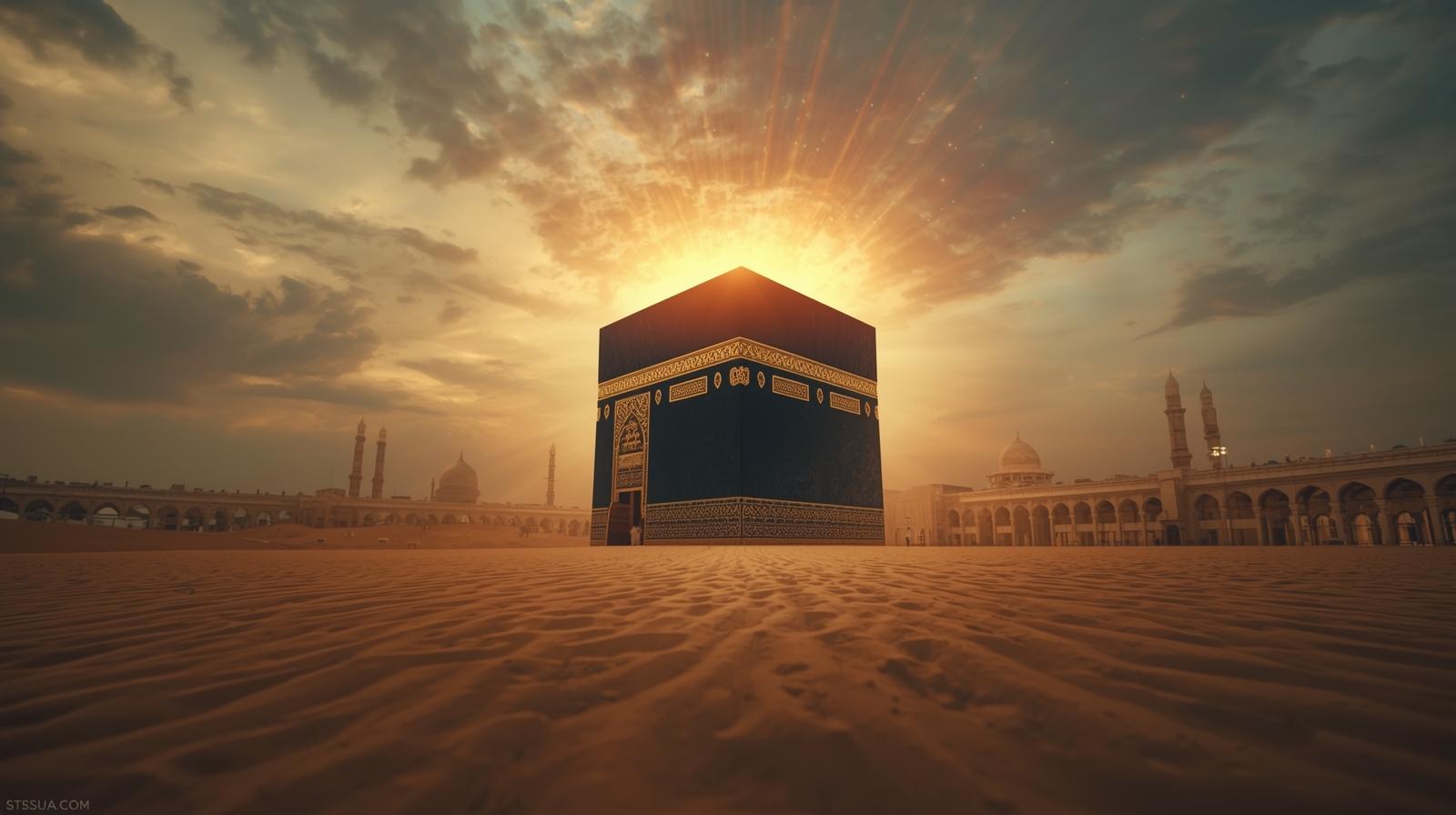
Meta Description: Discover the rich history of the Kaaba, the holiest site in Islam. Learn about its origins, reconstruction, and its profound spiritual significance in Muslim worship.
Introduction
The Kaaba, located in the heart of Masjid al-Haram in Makkah, Saudi Arabia, is the most sacred site in Islam. Every year, millions of Muslims from around the world face the Kaaba in prayer and travel to perform Hajj and Umrah, making it a symbol of unity, devotion, and faith. But how did this holy structure come into existence? Let’s explore the remarkable history of the Kaaba, from its divine origins to its modern form.
- The Divine Origins of the Kaaba
According to Islamic tradition, the Kaaba’s history dates back to Prophet Ibrahim (Abraham) ﷺ and his son Prophet Isma’il (Ishmael) ﷺ. Allah commanded them to build a house of worship dedicated to Him alone. The Qur’an says:
“And [mention] when We designated for Abraham the site of the House, [saying], ‘Do not associate anything with Me and purify My House for those who perform Tawaf and those who stand [in prayer].’”
(Surah Al-Hajj 22:26)
The Kaaba was thus built as the first house of monotheistic worship, symbolizing submission to the One God, Allah.
- The Kaaba Before Islam
Over centuries, the Kaaba underwent several reconstructions due to natural wear, floods, and other damages. By the time of Prophet Muhammad ﷺ, it was revered by the Quraysh tribe but had become surrounded by idols placed by polytheistic Arabs. Despite this, the Kaaba remained a central pilgrimage site, and its sanctity was never forgotten.
- The Prophet Muhammad ﷺ and the Rebuilding of the Kaaba
When the Kaaba was rebuilt by the Quraysh, a dispute arose about who should place the Black Stone (Hajar al-Aswad) in its position. The Prophet Muhammad ﷺ, even before prophethood, resolved the conflict with great wisdom. He placed the stone in a cloth and asked each tribe to hold it together, then he himself positioned it in place — earning the title “Al-Amin” (The Trustworthy).
Later, after the conquest of Makkah, the Prophet ﷺ purified the Kaaba from idols and restored its true monotheistic purpose — worshipping Allah alone.
- The Structure and Symbolism of the Kaaba
The Kaaba is a cuboid structure covered by a black cloth known as the Kiswah, embroidered with Quranic verses in gold thread. Inside, it has a simple interior with marble flooring and inscriptions.
The Black Stone (Hajar al-Aswad), located at one corner, is kissed or touched by pilgrims during Tawaf (circumambulation). The Kaaba symbolizes the unity of Muslims, as all believers around the world face it in prayer, regardless of race or nationality.
- The Kaaba in Modern Times
Throughout Islamic history, the Kaaba has been maintained and renovated by Muslim rulers. The current structure stands as a testament to centuries of devotion and preservation. Today, the Kaaba continues to be the spiritual focal point of over 1.8 billion Muslims, visited by millions each year for Hajj and Umrah.
Conclusion
The Kaaba’s history is not just about bricks and mortar — it is a symbol of faith, unity, and obedience to Allah. From Prophet Ibrahim’s hands to the modern pilgrims who circle it in devotion, the Kaaba stands as the eternal heart of Islam, connecting believers across time and space.


