
 classicnews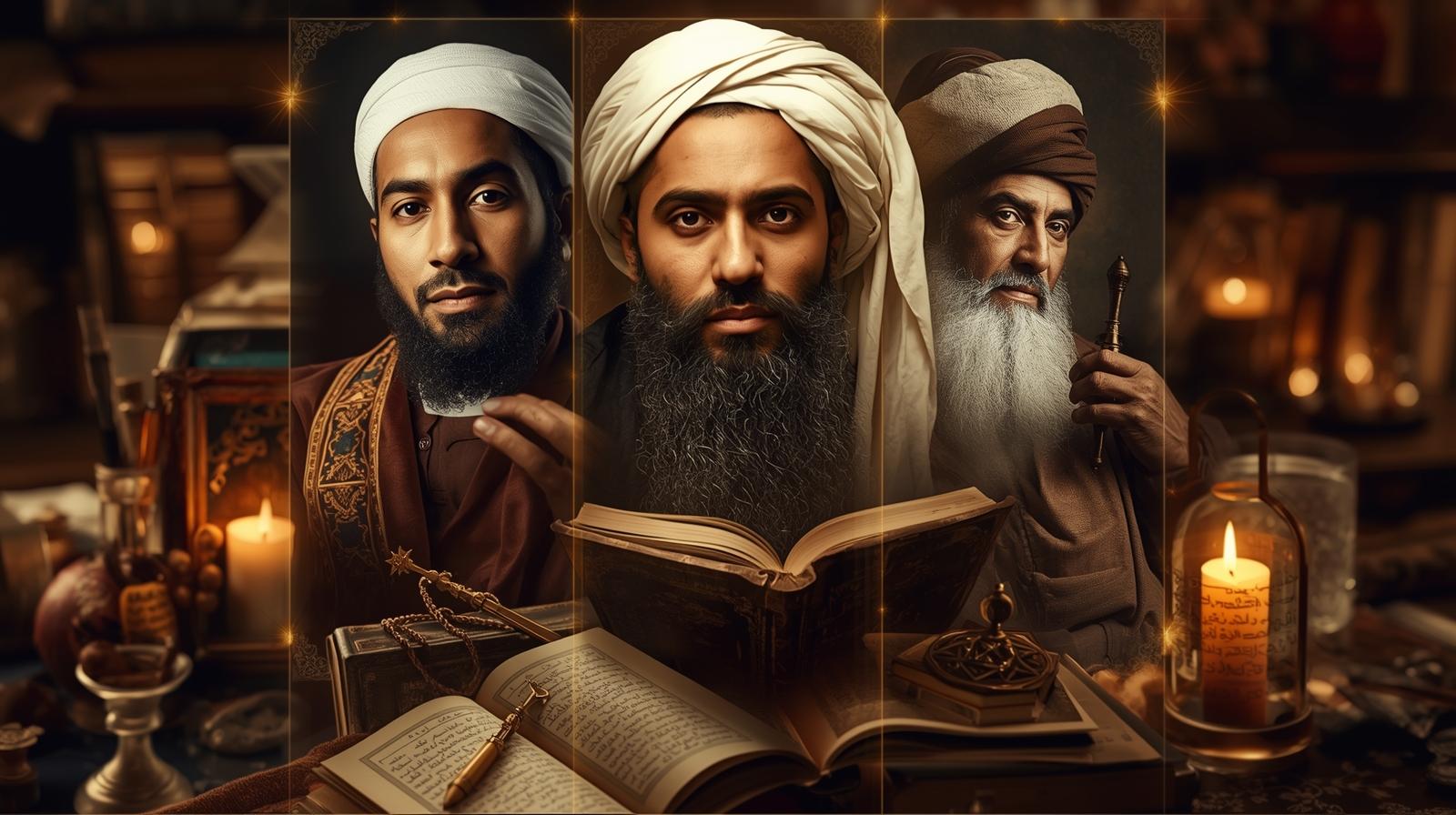
Introduction
Throughout history, the Muslim world has produced remarkable scholars and thinkers whose contributions shaped science, philosophy, medicine, mathematics, and theology. These brilliant minds not only advanced Islamic civilization but also laid the foundations for modern knowledge. Their pursuit of truth, guided by faith, continues to inspire generations of learners worldwide.
- Imam Al-Ghazali (1058–1111 CE)
Known as “The Proof of Islam”, Imam Al-Ghazali was a theologian, philosopher, and mystic whose works bridged the gap between faith and reason. His famous book “Ihya Ulum al-Din” (Revival of the Religious Sciences) remains one of the most influential texts in Islamic spirituality. Al-Ghazali emphasized the importance of sincerity, moral conduct, and inner purification.
Legacy: His balanced approach to theology and philosophy reconciled Islamic faith with intellectual reasoning, influencing both Islamic and Western thought.
- Ibn Sina (Avicenna) (980–1037 CE)
A Persian polymath, Ibn Sina is often called the Father of Modern Medicine. His monumental works “The Canon of Medicine” and “The Book of Healing” were used as medical references in Europe for centuries.
Legacy: Ibn Sina’s integration of scientific inquiry with spiritual understanding showcased the harmony between Islam and rational thought.
- Ibn Rushd (Averroes) (1126–1198 CE)
A philosopher and jurist from Andalusia (modern-day Spain), Ibn Rushd made significant contributions to philosophy, law, and medicine. His commentaries on Aristotle were instrumental in shaping European Renaissance philosophy.
Legacy: Ibn Rushd championed reason, logic, and intellectual freedom, influencing both Islamic scholars and Western thinkers like Thomas Aquinas.
- Al-Khwarizmi (780–850 CE)
Known as the Father of Algebra, Al-Khwarizmi was a mathematician whose works introduced the concepts of algorithms and algebra to the world. His name gave rise to the term “algorithm.”
Legacy: His contributions to mathematics revolutionized scientific thinking and remain fundamental in computer science and technology today.
- Ibn Khaldun (1332–1406 CE)
A historian and sociologist, Ibn Khaldun is best known for his groundbreaking work “Muqaddimah” (The Introduction), where he explored the rise and fall of civilizations.
Legacy: Ibn Khaldun is considered a pioneer in sociology, economics, and historiography, centuries ahead of modern scholars in his insights about human society.
- Al-Farabi (872–950 CE)
A philosopher and political theorist, Al-Farabi was known as “The Second Teacher” after Aristotle. He made lasting contributions to political philosophy, ethics, and logic.
Legacy: His ideas about the virtuous city influenced both Islamic and Western political thought, promoting harmony between religion and rational governance.
- Jabir ibn Hayyan (Geber) (721–815 CE)
A master chemist, Jabir ibn Hayyan is credited with developing early methods of distillation, crystallization, and chemical experimentation.
Legacy: His pioneering work laid the foundation for modern chemistry, making him one of the most important figures in scientific history.
Conclusion
The legacy of these Muslim scholars and thinkers is a testament to Islam’s deep-rooted connection with knowledge and enlightenment. They proved that faith and reason complement one another, creating a golden era of learning that benefited humanity as a whole. In today’s world, their spirit of inquiry and devotion to truth continues to inspire scholars and seekers of knowledge everywhere.


