classicnews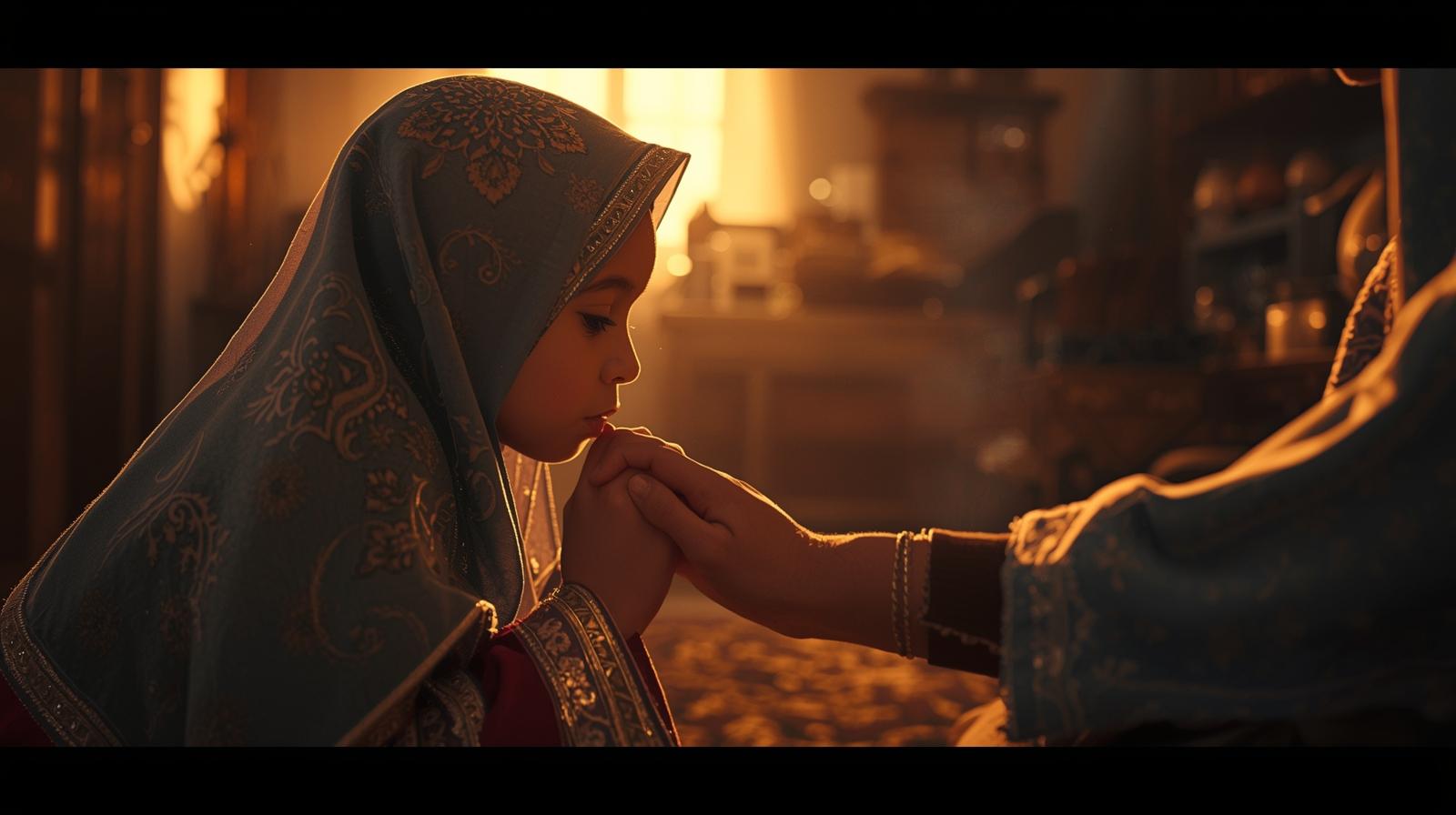
Respecting parents and elders is a timeless value emphasized in every society, especially in Islamic teachings. It is not only a moral obligation but also a key to spiritual growth and a harmonious community.
The Importance of Respecting Parents
In Islam, the significance of honoring parents is repeatedly highlighted in the Qur’an and Hadith. The Qur’an commands:
“And We have enjoined upon man [care] for his parents. His mother carried him, [increasing her] in weakness upon weakness, and his weaning is in two years. Be grateful to Me and to your parents; to Me is the [final] destination.” (Surah Luqman 31:14)
Parents are the first teachers, caregivers, and protectors. Showing respect to them is more than obedience—it is gratitude for their sacrifices, guidance, and unconditional love.
Ways to Respect Parents
- Obedience and Kindness: Always listen to them in matters that do not contradict Islamic principles.
- Compassion and Patience: Treat them gently, especially in their old age.
- Prayers and Good Wishes: Make dua (prayer) for their health, happiness, and forgiveness.
- Support and Care: Assist them financially or emotionally when needed.
Respecting Elders in the Community
Respecting elders extends beyond the family. It includes teachers, community leaders, and older individuals. Islam encourages treating elders with courtesy, listening to their advice, and valuing their experience.
Benefits of Honoring Elders
- Wisdom Transfer: Elders often provide guidance and life lessons that help the younger generation avoid mistakes.
- Strengthening Family and Society: Respect fosters harmony, reduces conflicts, and builds strong bonds.
- Spiritual Rewards: Honoring elders is rewarded by Allah and brings blessings in life.
Respect in Everyday Life
Respect is shown not only in words but in actions:
- Greet elders politely and give them priority in seating.
- Speak to them softly and avoid harsh tones.
- Avoid interrupting or belittling them in conversations.
- Include them in family decisions and celebrate their achievements.
Conclusion
Respecting parents and elders is more than a cultural norm—it is a divine command and a reflection of good character. By valuing those who came before us, we nurture love, compassion, and ethical behavior in society. Remember, a society that honors its elders is one that prospers in wisdom and unity.