
 classicnews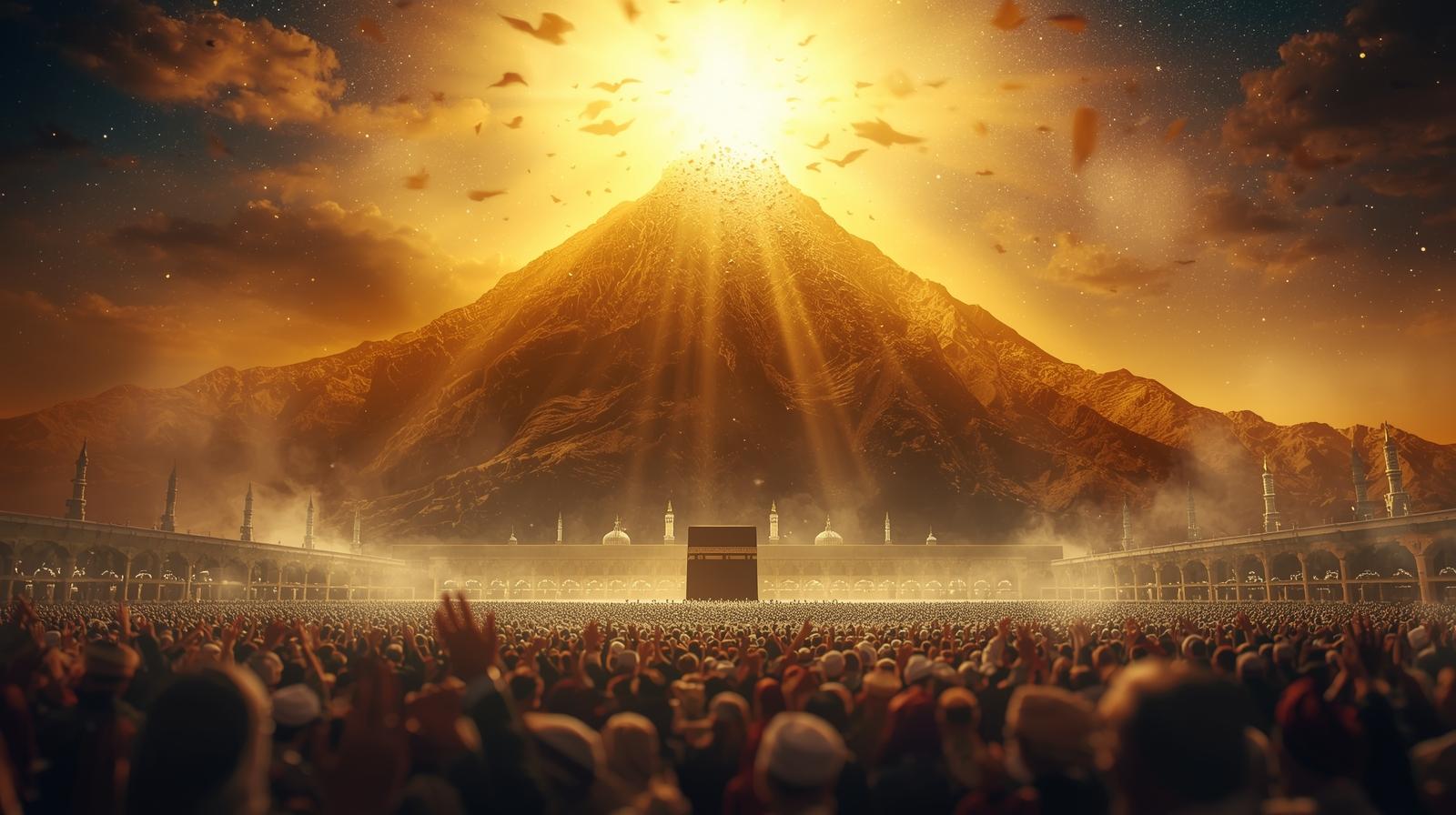
Introduction:
The Prophet Muhammad ﷺ delivered his Final Sermon (Khutbat al-Wada’) during his last pilgrimage, on the 9th of Dhul-Hijjah, in the year 10 AH, on the plains of Arafat. This profound sermon stands as one of the most important speeches in human history—summarizing the essence of Islam, human rights, social justice, and morality. Its timeless message continues to guide Muslims and humanity at large toward peace, unity, and righteousness.
- Equality and Brotherhood in Humanity
One of the most powerful declarations in the Final Sermon is the call for equality among all people. The Prophet ﷺ said:
“All mankind is from Adam and Eve. An Arab has no superiority over a non-Arab, nor a non-Arab over an Arab; a white has no superiority over a black, nor a black over a white—except by piety and good action.”
This message transcends race, nationality, and class. It emphasizes that human value is not determined by wealth or status, but by taqwa (piety). In today’s world, where discrimination and division persist, this message remains more relevant than ever.
- The Sanctity of Life, Property, and Honor
The Prophet ﷺ reminded the Ummah of the sacredness of life, property, and honor:
“Your blood, your property, and your honor are sacred to you, like the sanctity of this day of yours, in this month of yours, in this city of yours.”
This powerful statement establishes the foundation of human rights in Islam. It prohibits injustice, oppression, and exploitation—calling every believer to uphold justice and respect for others.
- The Rights and Responsibilities Between Men and Women
The Prophet ﷺ emphasized mutual respect and responsibility between spouses:
“Fear Allah regarding women, for you have taken them as a trust from Allah.”
He highlighted that marriage is built upon trust, kindness, and compassion, setting the standard for family ethics and the honorable treatment of women.
- Abolition of Interest (Riba) and Tribal Revenge
The sermon declared an end to all forms of riba (usury) and blood feuds:
“All interest (riba) is abolished. The first interest that I abolish is that of my uncle, Abbas ibn Abdul Muttalib.”
This historic step aimed to purify society from economic injustice and endless cycles of revenge, promoting fairness and social harmony.
- The Legacy of the Qur’an and the Sunnah
The Prophet ﷺ concluded his sermon with an eternal reminder:
“I have left among you two things; if you hold fast to them, you will never go astray: the Book of Allah and my Sunnah.”
These two sources remain the guiding light for every believer, providing wisdom, direction, and spiritual clarity in every age.
- The Final Message to Humanity
Toward the end of his sermon, the Prophet ﷺ raised his finger to the sky and said:
“O Allah, bear witness that I have conveyed the message.”
This declaration marked the completion of his mission as the Messenger of Allah, fulfilling the divine trust with perfection and sincerity.
Conclusion:
The Final Sermon of the Prophet Muhammad ﷺ is not just a historical speech—it is a moral constitution for all times. Its themes of justice, equality, compassion, and faith echo through the centuries, reminding us of what true submission to Allah means. As Muslims, revisiting and reflecting on this sermon can rekindle our sense of purpose and strengthen our commitment to living by its noble principles.


