
 classicnews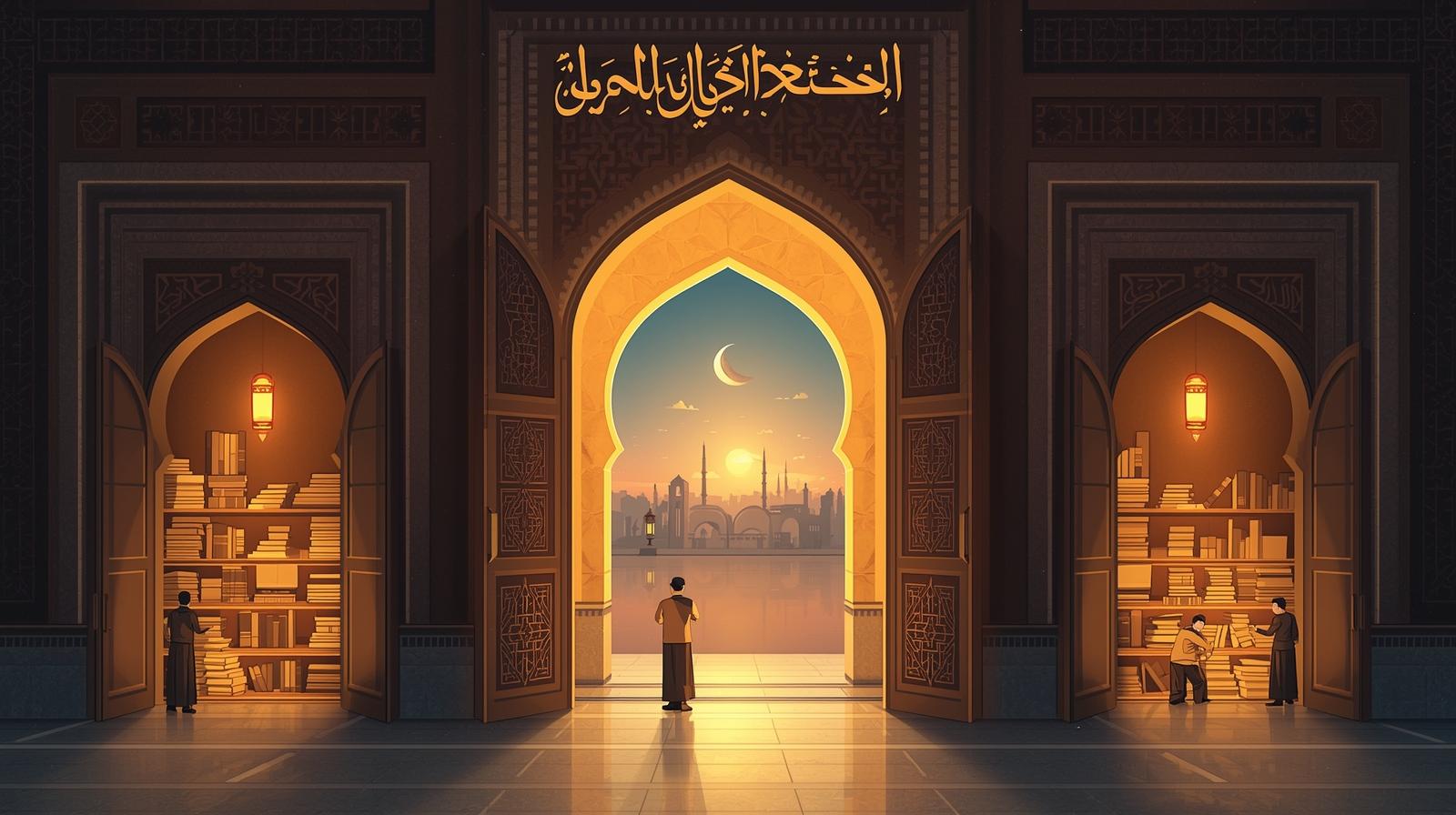
The House of Wisdom, or Bayt al-Hikmah, stands as one of the most remarkable symbols of intellectual achievement in Islamic history. Established in the 8th century in Baghdad during the Abbasid Caliphate, it became a hub for scholars, philosophers, scientists, and translators from around the world. Its influence continues to inspire the pursuit of knowledge to this day.
Origins of Bayt al-Hikmah
The House of Wisdom was founded under the rule of Caliph Harun al-Rashid and reached its peak during the reign of his son, Caliph Al-Ma’mun. Its primary mission was to collect, translate, and preserve knowledge from different civilizations, including Greek, Persian, Indian, and Egyptian works. This made it an early example of a global intellectual center long before the European Renaissance.
Contributions to Science and Knowledge
Bayt al-Hikmah was not just a library; it was a research institution where scholars engaged in experimentation, translation, and original writing. Some key contributions include:
- Mathematics: Scholars like Al-Khwarizmi developed algebra and introduced the decimal system to the Islamic world, laying the foundation for modern mathematics.
- Astronomy: Astronomical tables and observations from Bayt al-Hikmah significantly advanced knowledge of celestial bodies.
- Medicine: Medical texts from Greek and Indian traditions were translated and expanded, influencing medical practices for centuries.
- Philosophy and Literature: Works of Plato, Aristotle, and other Greek philosophers were translated into Arabic, nurturing critical thinking and debate.
Role in Translation and Preservation
One of the most significant achievements of Bayt al-Hikmah was its translation movement. Scholars translated thousands of texts into Arabic, preserving the wisdom of ancient civilizations. These works later reached Europe, fueling the intellectual revival during the Renaissance.
Legacy of the House of Wisdom
Though the Mongol invasion of Baghdad in 1258 led to the destruction of Bayt al-Hikmah, its legacy endures. It remains a symbol of intellectual curiosity, cross-cultural collaboration, and the pursuit of knowledge. Modern institutions often look back at Bayt al-Hikmah as an inspiration for libraries, universities, and research centers worldwide.
Lessons from Bayt al-Hikmah
The story of the House of Wisdom teaches us that knowledge transcends borders and cultures. Its scholars demonstrated that the thirst for learning, collaboration, and intellectual curiosity can lead to extraordinary advancements that benefit humanity for generations.


