classicnews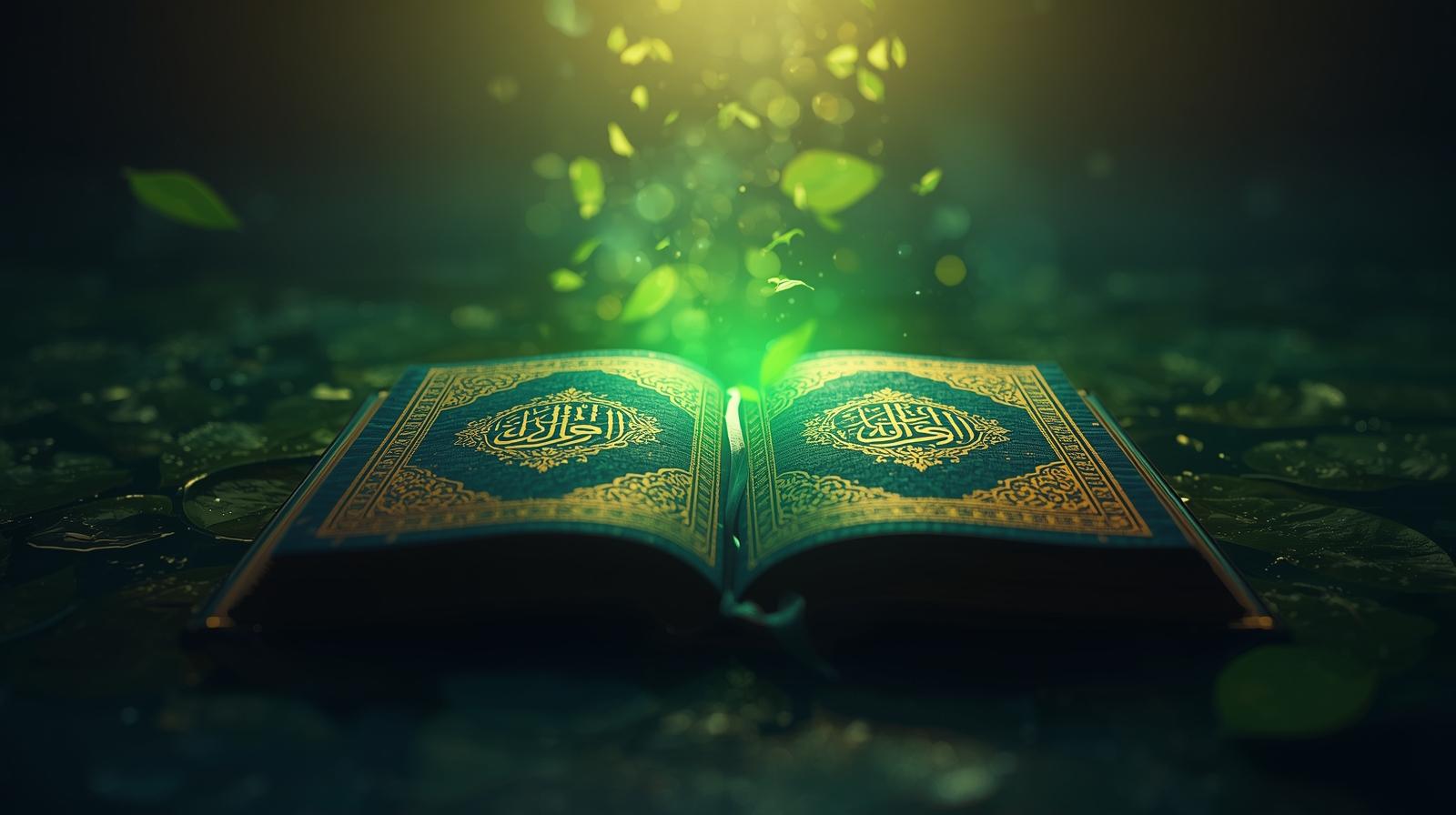
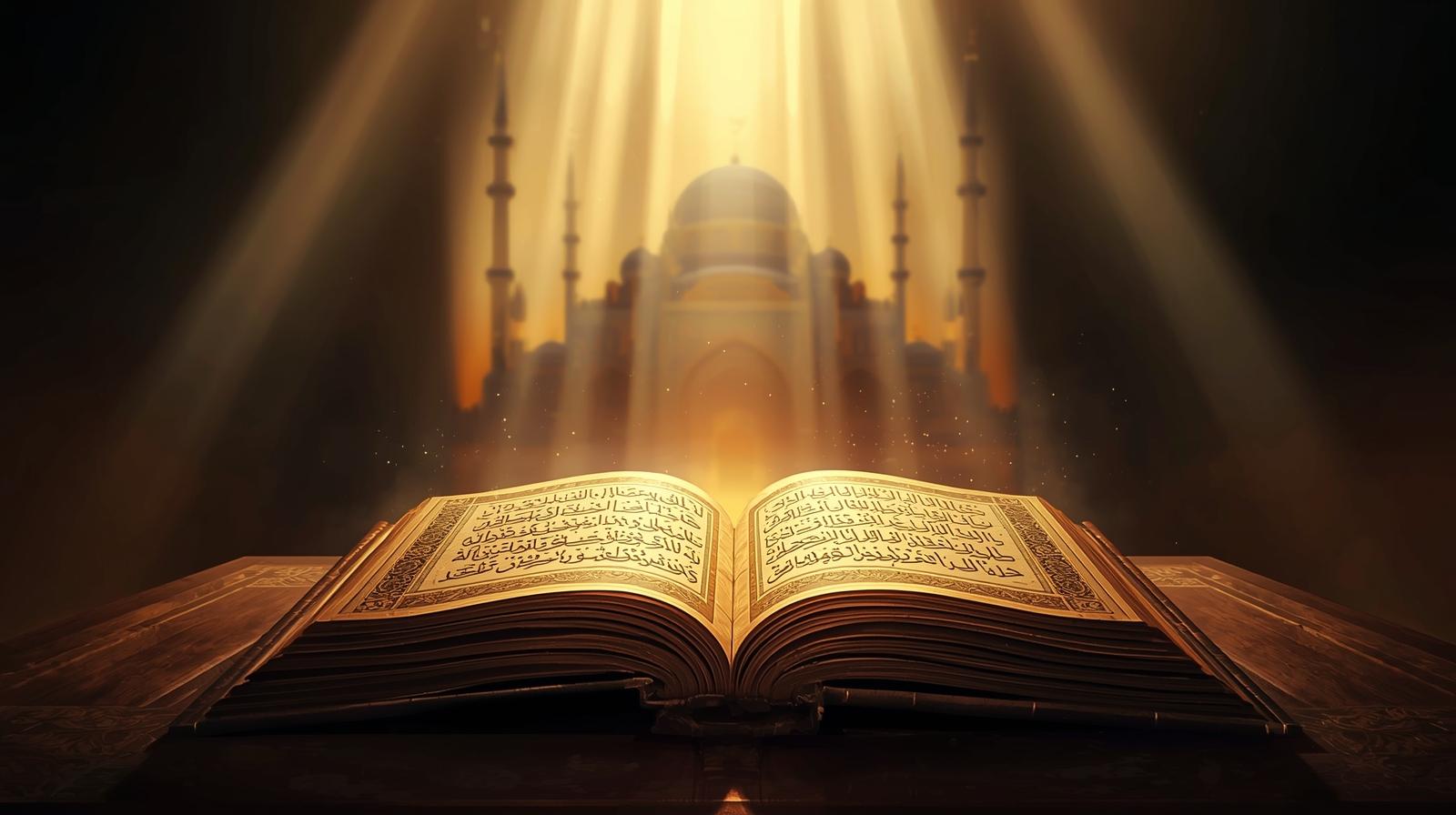
In our fast-paced, stress-filled world, many seek relief from anxiety, emotional struggles, and physical ailments. While modern medicine offers solutions, Islam provides a spiritual dimension to healing through the Qur’an. The Qur’an, the eternal word of Allah, is not only guidance for life but also a profound source of spiritual and emotional healing.
Understanding Healing in Islam
Healing in Islam is multifaceted. It includes:
- Physical Healing: Addressing ailments of the body.
- Spiritual Healing: Cleansing the heart, soul, and mind from negativity.
- Emotional Healing: Finding peace, comfort, and resilience in difficult times.
The Prophet Muhammad ﷺ said:
“Make use of the two remedies: honey and the Qur’an.” (Sahih al-Bukhari)
This emphasizes the Qur’an’s role in holistic well-being.
The Qur’an as a Spiritual Remedy
The Qur’an contains verses that soothe the heart, calm the mind, and strengthen faith. Here’s how:
- Relief from Anxiety and Stress
Verses like:
“Verily, with every difficulty, there is relief.” (Surah Ash-Sharh 94:6)
remind believers that hardships are temporary and that Allah’s mercy is always near, providing mental and emotional relief. - Protection and Safety
Reciting verses such as Ayat al-Kursi (2:255) and Surah Al-Falaq & Surah An-Nas offers protection from spiritual harm and negative influences, giving believers peace of mind. - Strengthening Patience and Resilience
The Qur’an encourages believers to be patient and trust Allah’s plan. Reflecting on verses like:
“Indeed, Allah is with the patient.” (Surah Al-Baqarah 2:153)
instills resilience and emotional stability during trials.
Healing Through Recitation and Reflection
The act of reciting the Qur’an has intrinsic healing power:
- Auditory Comfort: The rhythmic recitation soothes the heart.
- Meditation and Contemplation: Tadabbur (deep reflection) on meanings fosters mental clarity and spiritual insight.
- Faith Reinforcement: Reconnecting with Allah strengthens inner peace and reduces despair.
Combining Faith and Medicine
Islam encourages seeking medical treatment alongside spiritual practices. The Qur’an acts as a complementary remedy to conventional medicine, addressing the spiritual dimension that medicine alone cannot cure. Recitation, prayer, and reliance on Allah work synergistically with treatment to promote holistic healing.
Practical Steps to Use the Qur’an for Healing
- Daily Recitation: Dedicate time each day to read and reflect on the Qur’an.
- Focus on Healing Verses: Surah Al-Fatiha, Surah Al-Ikhlas, Al-Falaq, An-Nas, and Ayat al-Kursi are known for their protective and healing qualities.
- Meditative Reflection (Tadabbur): Contemplate the meanings, letting the words resonate deeply with your heart.
- Supplication (Dua): Combine recitation with personal prayers, asking Allah for physical, emotional, and spiritual healing.
Conclusion
The Qur’an is far more than a book of guidance; it is a divine source of comfort, peace, and healing. By engaging with its words, reflecting deeply, and integrating its teachings into our daily lives, believers can experience profound emotional and spiritual restoration. In times of physical illness or emotional turmoil, turning to the Qur’an provides a unique, holistic remedy that complements both faith and medicine.