
 classicnews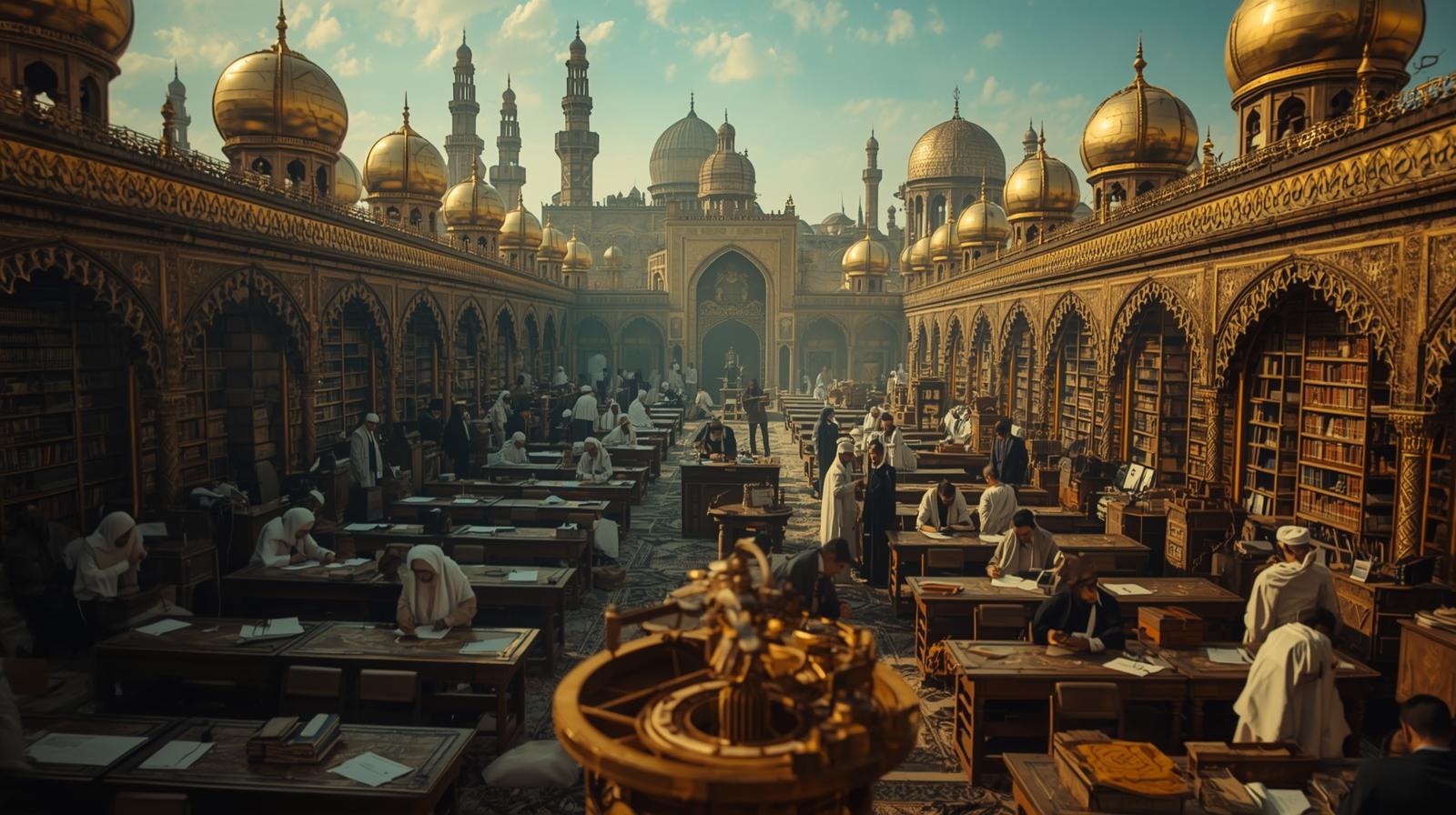
Introduction
The Golden Age of Islam (8th to 14th century) was a remarkable period when the Muslim world led the globe in knowledge, culture, science, and innovation. This era, often centered around Baghdad, Cordoba, and Cairo, became the cradle of intellectual advancement, where scholars from diverse backgrounds came together under the light of Islam to seek truth and understanding.
The Rise of Knowledge and Learning
When the Abbasid Caliphate established Baghdad as its capital in the 8th century, it became a hub of learning and progress. The Caliphs encouraged scholarship and founded the House of Wisdom (Bayt al-Hikmah) — a grand library and research center where scholars translated works from Greek, Persian, Indian, and other civilizations into Arabic.
This era emphasized the Islamic value of ‘Ilm (knowledge), inspired by the Qur’anic command:
“Say, ‘My Lord, increase me in knowledge.’” (Qur’an 20:114)
Major Achievements in Science and Culture
- Mathematics and Astronomy
Muslim mathematicians like Al-Khwarizmi, the father of algebra, and Al-Battani, an astronomer, made groundbreaking discoveries. The very word “algorithm” comes from Al-Khwarizmi’s name, showing his lasting impact. - Medicine and Chemistry
Physicians such as Ibn Sina (Avicenna) and Al-Razi (Rhazes) authored medical encyclopedias that were used in Europe for centuries. Their works laid the foundation for modern medicine and pharmacology. - Philosophy and Literature
Thinkers like Al-Farabi, Ibn Rushd (Averroes), and Al-Ghazali bridged the gap between faith and reason. Poets like Rumi and Al-Mutanabbi enriched the world with their timeless spiritual and literary masterpieces. - Architecture and Art
The Golden Age also produced breathtaking art and architecture — from the Alhambra Palace in Spain to the Great Mosque of Cordoba, symbolizing harmony, geometry, and beauty inspired by faith.
The Spirit of Coexistence
During this time, Muslim societies were known for their tolerance and inclusivity. Scholars from different faiths — Muslims, Christians, Jews, and others — worked together, translating and expanding upon each other’s knowledge. This culture of intellectual exchange made the Islamic world a beacon of progress.
Legacy and Modern Influence
The innovations of the Golden Age of Islam shaped modern science, medicine, mathematics, and philosophy. Universities, libraries, and the scientific method all have roots in this enlightened period. Today, as we reflect upon this heritage, Muslims and the global community alike can draw inspiration to revive the spirit of knowledge, curiosity, and unity.
Conclusion
The Golden Age of Islam is not just history — it’s a reminder of what faith, intellect, and cooperation can achieve when guided by divine purpose. Reviving its spirit means embracing knowledge, ethics, and creativity once again, for the benefit of humanity.


